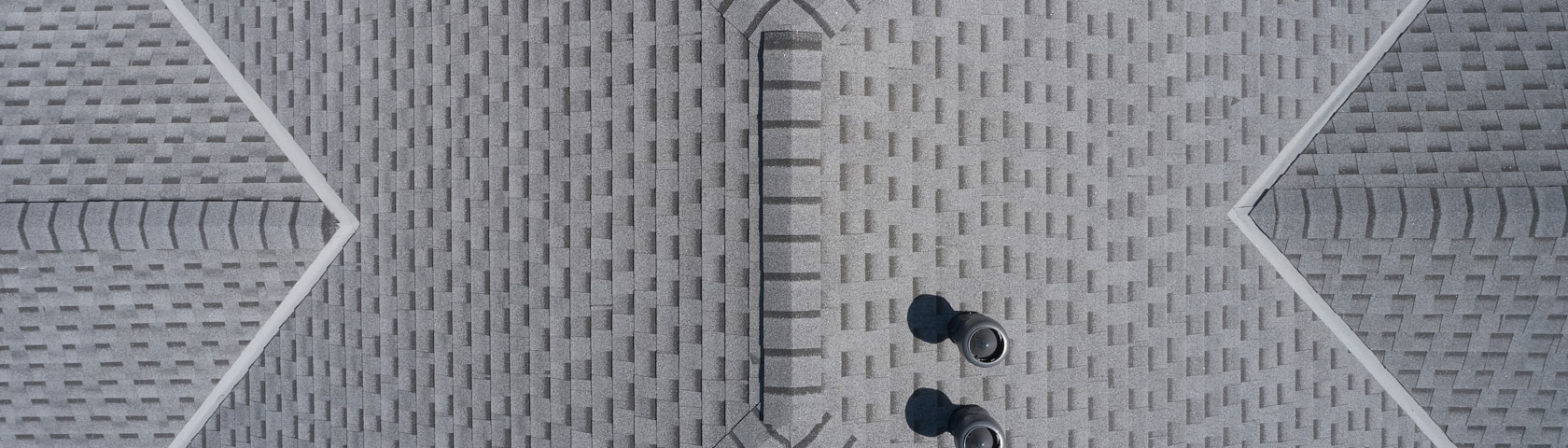
Ridge Vent Installation
Schedule Your Free Estimate
Ridge Vent Installation
Ridge vents play a crucial role in preserving the health, efficiency, and long-term durability of any roofing system. As homeowners continue to prioritize energy efficiency and indoor comfort, ridge vent installation has become one of the most effective ways to achieve better airflow in an attic space. A properly installed ridge vent prevents a wide range of roofing issues, protects structural materials, and helps maintain a balanced temperature throughout your home. Understanding how ridge vents work and why they are superior to many traditional ventilation methods is essential for making an informed decision about your roof.
How Ridge Vents Improve Attic Ventilation
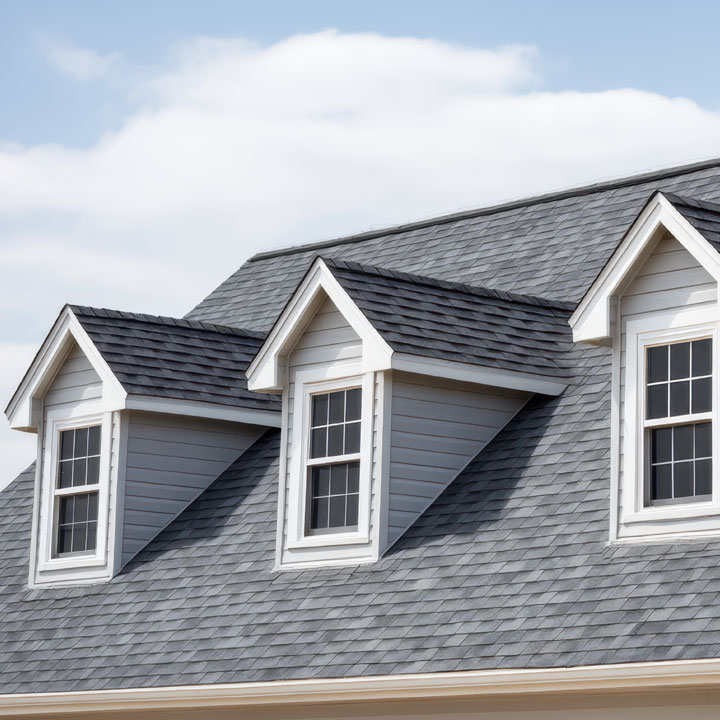
Every home needs a reliable method for allowing hot, humid air to escape from the attic. Without adequate ventilation, heat and moisture accumulate, creating an environment that can lead to mold growth, warped roof decking, and premature shingle deterioration. A ridge vent is installed along the peak of the roof to allow trapped warm air to escape naturally through the highest point of the attic. This continuous, balanced ventilation system works with intake vents at the soffits to create a steady flow of air. Ridge vents do not rely on electrical components or moving parts, making them a dependable solution for long-term attic ventilation.
By releasing hot air from the attic, ridge vents help regulate indoor temperatures and minimize the workload placed on heating and cooling systems. During the summer months, attics can reach extreme temperatures that radiate downward into living spaces. In winter, a poorly ventilated attic can cause condensation issues and contribute to ice dam formation along the edges of the roof. Ridge vents mitigate these problems by creating consistent airflow in all seasons.
Ridge Vent Installation As Part Of A Roof Replacement
Although ridge vents can be added to an existing roof, many homeowners choose to install them during a full roof replacement. This allows contractors to integrate the system seamlessly and ensure the vent aligns with the new roofing materials. Replacing an aging roof without upgrading the ventilation system can reduce the lifespan of the new shingles, so many roofing professionals recommend installing a ridge vent as part of a comprehensive roofing upgrade.
The Advantages Of Installing A Ridge Vent
Ridge vent installation offers several benefits that enhance both roofing performance and home comfort. One of the biggest advantages is uniform airflow. Unlike box vents, gable vents, or turbines, ridge vents run the entire length of the roof peak, ensuring a continuous escape path for warm air. This allows the attic to stay cooler and drier, reducing the likelihood of moisture-related damage.
Another important benefit is energy efficiency. When an attic consistently maintains a more moderate temperature, the home’s HVAC system does not need to work as hard to keep living areas comfortable. This can result in lower monthly energy bills and improved overall performance of heating and cooling systems. By preventing extreme attic temperatures, ridge vents eliminate the strain on appliances and reduce overall energy consumption.
Aesthetics also play a major role in the appeal of ridge vents. Because they blend seamlessly into the roofline, ridge vents provide an unobtrusive and clean appearance that does not distract from the home’s architectural style. Homeowners who want proper ventilation without bulky or outdated vent styles appreciate the sleek, low-profile design that ridge vents offer.
Enhancing Energy Efficiency Through Better Ventilation
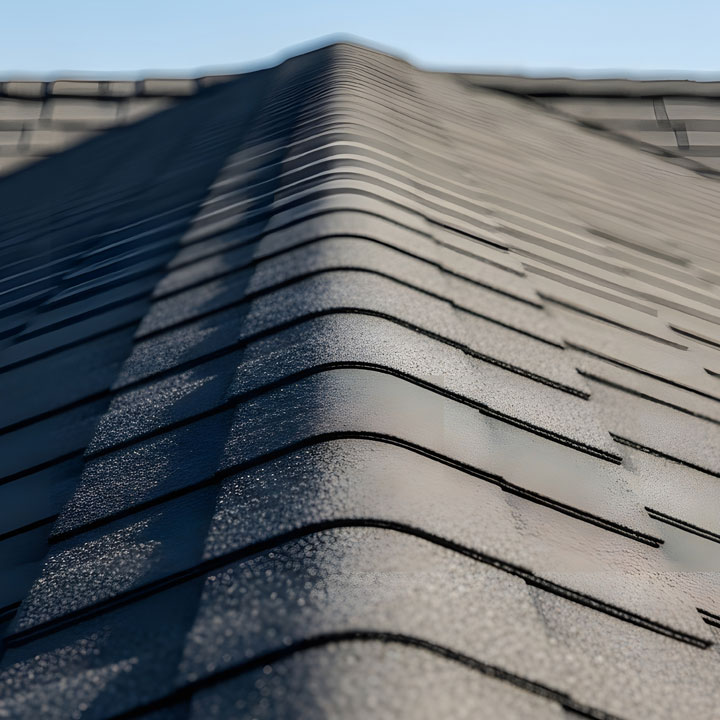
A well-ventilated attic contributes to an overall more energy-efficient home. When temperatures remain stable in the attic, insulation performs better, and the HVAC system does not have to compensate for heat transfer from above. Ridge vents create steady airflow that helps maintain the right balance between indoor comfort and energy use. Over time, improved ventilation can extend the life of the HVAC system, reduce cooling and heating expenses, and create a more comfortable living environment year-round.
How Ridge Vents Protect Your Roof from Damage
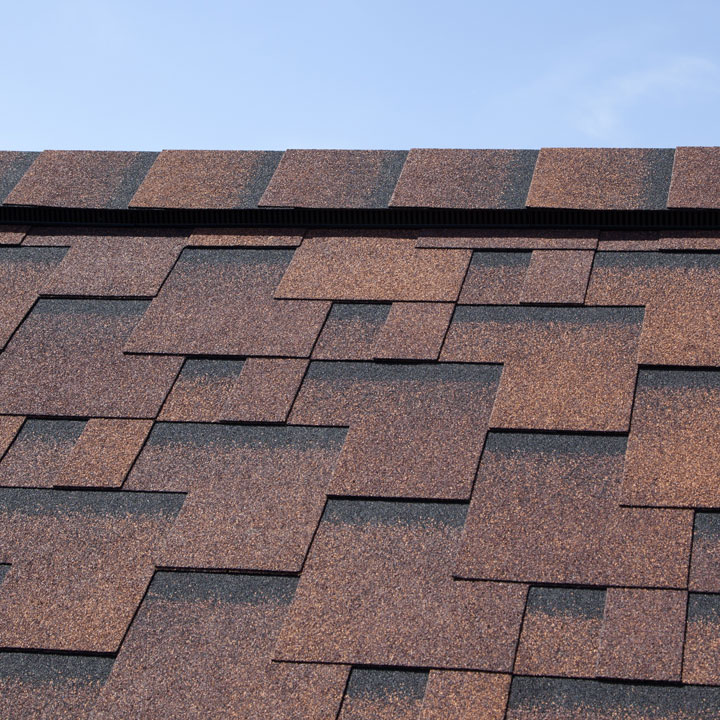
Roofing materials are designed to withstand years of exposure to sun, wind, rain, and temperature fluctuations. However, without proper ventilation, even the highest-quality materials can deteriorate prematurely. Excess heat can cause shingles to blister, crack, or lose granules, while high humidity levels promote mold growth and wood rot in the attic. Ridge vent installation helps protect the roof by creating an environment where heat and moisture do not accumulate.
Another threat that ridge vents help prevent is ice dam formation. In cold climates, warm air escaping from the living space into the attic can melt snow on the roof. When the melted snow refreezes near the roof edge, it forms an ice dam that traps water and allows it to seep under shingles. Ridge vents keep the attic temperature more consistent with outdoor temperatures, reducing the risk of snow melting unevenly and improving the overall performance of the roofing system during winter.
Why Professional Ridge Vent Installation Is Essential
Installing a ridge vent may seem straightforward, but it requires precision, proper tools, and expertise to ensure the system performs as intended. A professional roofing contractor, like our pros at East Coast Roofing Systems, understand how to calculate the correct amount of ventilation needed based on attic size, roof design, and local building codes. Ridge vent installation also requires cutting a uniform slot along the roof peak, securing the vent material, and ensuring the shingles are properly integrated to maintain a watertight seal. Any mistakes during this process can lead to leaks, inefficient airflow, or improper structural support.
Professional installers also know how to pair ridge vents with the correct type and amount of soffit intake ventilation. A balanced system is critical because ridge vents cannot function without fresh air entering from below. Too much exhaust or too little intake can actually decrease ventilation efficiency, so proper design and installation are essential to long-term performance.
The Role Of Soffit Vents In A Ridge Vent System
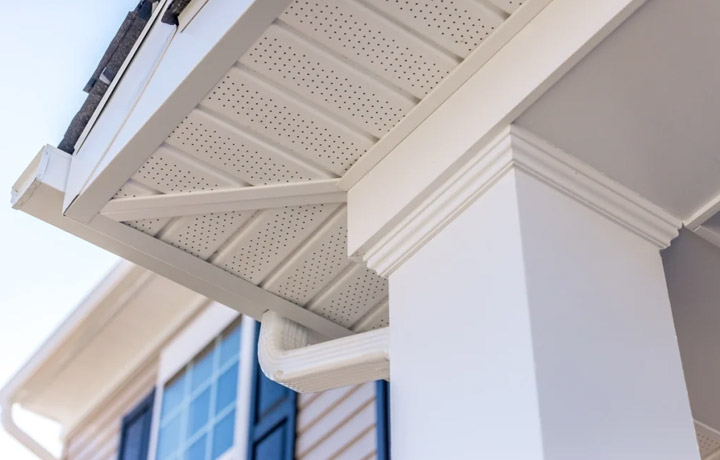
Ridge vents rely heavily on the presence of well-functioning soffit vents. These intake vents are located along the underside of the roof overhang and allow fresh outdoor air to enter the attic. Soffit vents and ridge vents work together to create a natural convection cycle. Cool air from the soffits enters the attic, warms as it rises, and exits through the ridge vent. If a home has blocked, undersized, or improperly installed soffit vents, the ridge vent will not be able to achieve optimal airflow.
Homeowners should ensure that attic insulation does not obstruct soffit vents and that the vents themselves are clear of debris. During ridge vent installation, professionals assess intake ventilation to confirm that the system will operate efficiently. If additional soffit vents or ventilation improvements are needed, they will recommend appropriate upgrades.
Comparing Ridge Vents To Other Ventilation Options
Before selecting a ventilation system, many homeowners compare ridge vents to traditional alternatives such as box vents, gable vents, and power fans. While each option has advantages, ridge vents generally offer superior performance when installed correctly. Box vents and gable vents provide ventilation in limited areas and often create uneven airflow throughout the attic. They also require multiple units to achieve the same level of ventilation that a continuous ridge vent provides.
Power fans rely on electricity and may draw conditioned air from inside the home if intake ventilation is inadequate. This can lead to increased utility bills and reduced energy efficiency. Ridge vents, by contrast, operate without electricity and use natural air flow to ventilate the attic. Their continuous design and passive operation make them one of the most cost-effective and reliable ventilation choices for modern roofing systems.
Contact East Coast Roofing Systems For A Ridge Vent Installation Quote
If you want to improve your attic ventilation, enhance energy efficiency, and protect your roof from long-term damage, a ridge vent installation is an excellent investment. East Coast Roofing Systems provides expert installation services that ensure your home receives a properly balanced and high-performing ventilation system. Contact our professionals online today, or call (267) 871-9897 to request a quote and learn how a new ridge vent can help your roof perform at its best.
Our Home Services Process
Getting started with East Coast Roofing Systems is easy. Schedule a free consultation with our skilled technicians today to learn more. We’re committed to quality and professionalism for every home improvement project we take on.
Contact

Reach out to arrange a free consultation with one of our skilled technicians.
Meeting
Our technician will conduct an inspection, discuss your options, and answer any questions.
Timing
We’ll coordinate with you to schedule a convenient time for your project to begin.
Install
On installation day, a project manager will be onsite to ensure everything goes smoothly.
After
We’ll follow up after your project to ensure you’re fully satisfied with the results.