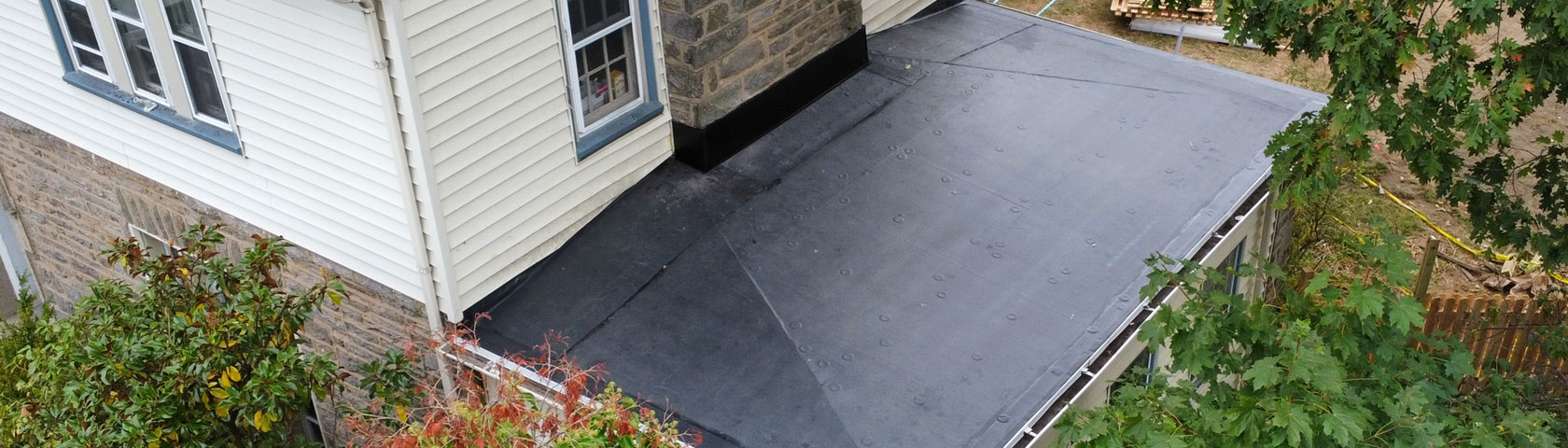
Flat Roofing
Schedule Your Free Estimate
Low Slope Roof Replacement
Low slope roofs, typically defined as roofs with a pitch below 3:12 are common on commercial buildings, industrial facilities, and residential additions. They rely on specialized materials like single-ply membranes, modified bitumen, built-up systems, or low-pitch metal panels to maintain watertight protection. When these systems reach the end of their lifespan, a professional low slope roof replacement is the best way to prevent costly water damage and restore long-term building performance.
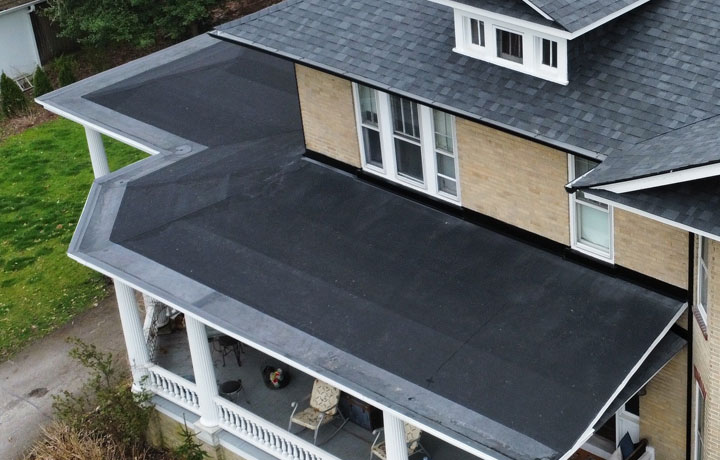
Signs You Need A Replacement
Low slope roofs don’t always fail all at once. In most cases, the warning signs develop gradually. Even a small leak or a soft spot can worsen over time if left unaddressed. Catching these issues early gives you more time to plan and budget for a replacement before they escalate into emergency repairs or interior damage. When repairs can no longer keep up with recurring problems, it’s usually more cost-effective to replace the system entirely. Watch for these common warning signs:
- Persistent leaks that repairs no longer resolve
- Ponding water that remains more than 48 hours after rain
- Blistering, cracking, or deteriorating membrane
- Loose seams or failing flashing
- Rising energy costs from lost insulating value
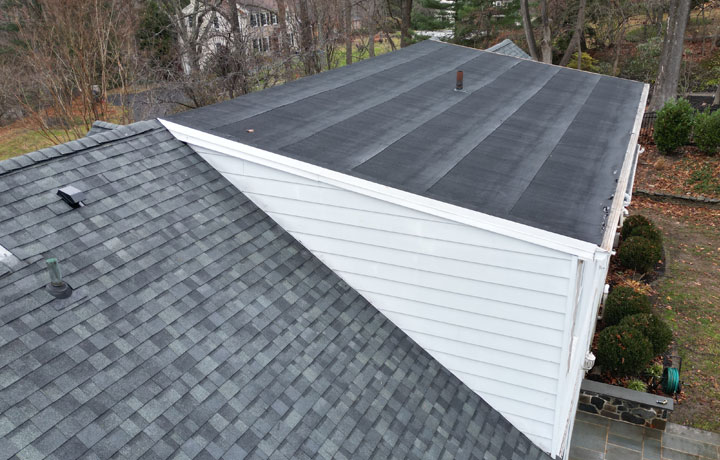
When Repairs May Be Enough
Not every issue requires a full replacement. If the damage is isolated to a specific area and the rest of the membrane is still in solid condition, targeted repairs can restore performance and extend the roof’s useful life by several years. This is especially true for roofs that are still within their expected lifespan and have been well-maintained. A professional inspection can help determine whether a repair will hold up long-term or if it’s simply postponing a larger problem. Common repairs include:
- Patching membrane punctures or tears
- Reinforcing seams and flashing
- Replacing damaged insulation sections
- Sealing leaks around rooftop equipment
- Correcting drainage problems
Roof Coatings: Extend Your Roof’s Life
Roof coatings are a cost-effective way to extend the life of an existing low slope roof without the expense of a full tear-off. Applied directly over the current surface, acrylic, silicone, or elastomeric coatings create a seamless, flexible barrier against moisture and UV damage. Because they expand and contract with temperature changes, coatings are particularly well-suited to the freeze-thaw cycles common in the Mid-Atlantic region. A professionally installed coating can:
- Seal small cracks and seams
- Improve water resistance and energy efficiency
- Reflect sunlight to reduce heat absorption
- Add years to the existing roof’s lifespan
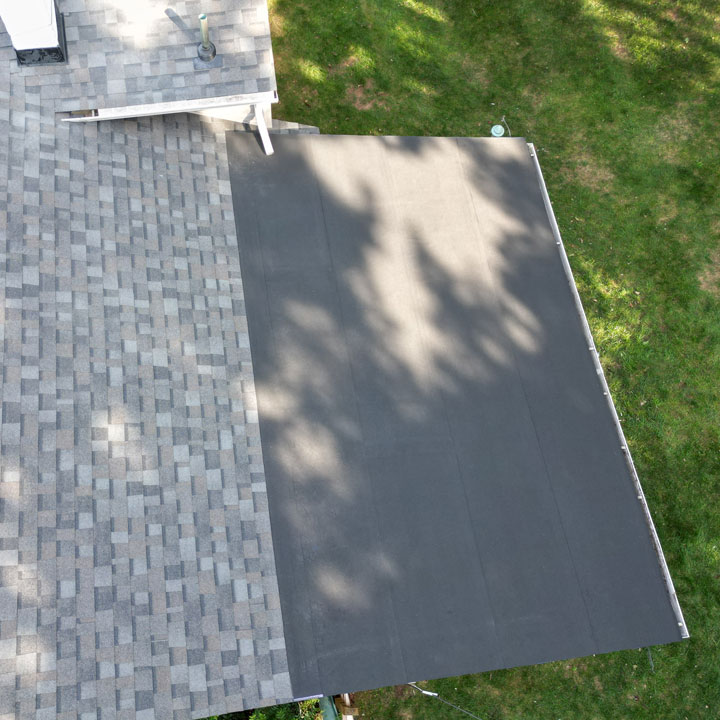
Benefits Of Replacing A Low Slope Roof
A new low slope roof delivers more than just leak protection. Modern roofing membranes are engineered to resist UV degradation, withstand high winds, and handle heavy rain and snow loads providing significantly better weather protection than aging systems. Reflective membrane options can reduce rooftop temperatures by up to 50°F, easing the load on your HVAC system and lowering cooling costs during summer months. A replacement also eliminates the cycle of recurring patch jobs, reducing long-term maintenance expenses. For property owners considering a sale or lease, a new roof is one of the most impactful upgrades you can make improving both curb appeal and market value.
Maintenance After Replacement
Once a new roof is in place, a consistent maintenance routine is the best way to get the most out of your investment. Small issues like clogged drains or minor membrane wear are easy and inexpensive to address when caught early, but can lead to premature failure if ignored. With proper care, most low slope roofing systems last 20–30 years. Protect your investment with regular maintenance:
- Annual professional inspections
- Clearing debris from drains and gutters
- Checking flashing, seams, and equipment penetrations
- Addressing minor repairs promptly
Get A Quote For Low Slope Roof Replacement
If your building is showing signs of roof failure, now is the time to act. Whether you need repairs, coatings, or a full low slope roof replacement, our team can evaluate your roof and recommend the best solution. Contact East Coast Roofing Systems today to request a quote.
Our Home Services Process
Getting started with East Coast Roofing Systems is easy. Schedule a free consultation with our skilled technicians today to learn more. We’re committed to quality and professionalism for every home improvement project we take on.
Contact

Reach out to arrange a free consultation with one of our skilled technicians.
Meeting
Our technician will conduct an inspection, discuss your options, and answer any questions.
Timing
We’ll coordinate with you to schedule a convenient time for your project to begin.
Install
On installation day, a project manager will be onsite to ensure everything goes smoothly.
After
We’ll follow up after your project to ensure you’re fully satisfied with the results.