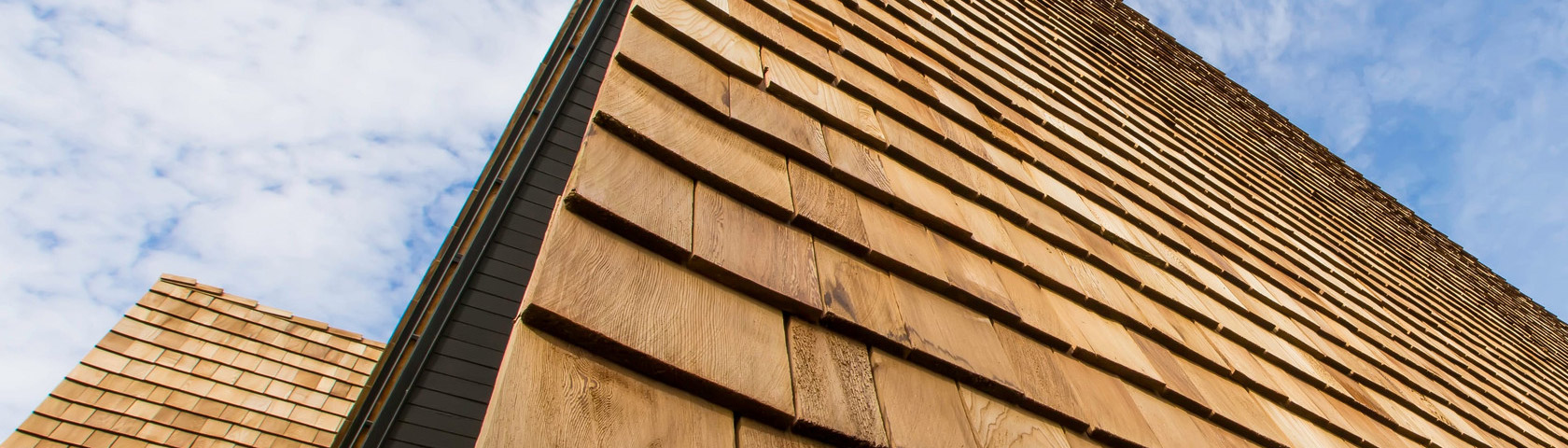
Cedar Roof Replacement
Schedule Your Free Estimate
Cedar Roof Replacement
One of the most unique and appealing roofing options for residential buildings is a cedar roof. For many years, cedar roofing has been a popular option for homes because of its timeless appeal, natural beauty, and durability. Even the best cedar shake or cedar shingle roof, though, will ultimately approach the end of its useful life and need to be replaced.
Knowing when to replace your cedar roof will help you prevent expensive water damage and structural problems. Investing in a skilled cedar roof restoration improves curb appeal and long-term value in addition to restoring your home’s protection.
The Benefits of Cedar Roofing
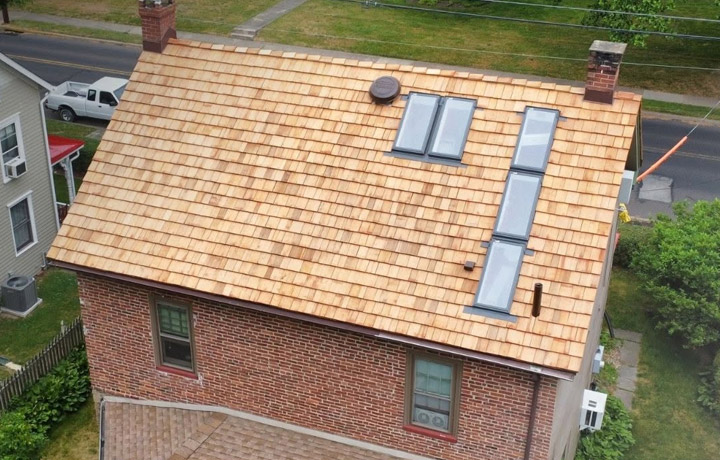
Unlike manufactured roofing materials, cedar provides a natural appearance that ages gracefully over time. Cedar contains natural oils and compounds that help resist decay and insect damage, contributing to its longevity. Quality cedar roofs that are properly installed and maintained can often provide decades of reliable service. Industry sources note that factors such as installation quality, climate, ventilation, maintenance, and material grade all play important roles in determining how long a cedar roof will last.
Some of the advantages of cedar roofing include:
- Exceptional curb appeal
- Natural insulation properties
- Resistance to wind and impact
- Long-lasting performance when properly installed and maintained
- Environmentally friendly and renewable material
How Long Does a Cedar Roof Last?
The lifespan of a cedar roof varies depending on several factors, including the type of cedar product used, local weather conditions, maintenance practices, and installation quality.
Many cedar roofs last approximately 30 to 40 years, while some premium installations may last even longer with proper care. Regular inspections, debris removal, proper attic ventilation, and prompt repairs can significantly extend the life of a cedar roofing system.
However, as cedar ages, exposure to moisture, UV rays, temperature fluctuations, and severe weather gradually takes a toll on the material. Eventually, replacement becomes the most practical and cost-effective solution.
Do I Need to Repair or Replace My Cedar Roof?
Many homeowners wonder whether they should repair their cedar roof or replace it entirely.
Repairs may be appropriate when damage is limited to a small area and the remaining roof is still in good condition. Replacement becomes the better choice when deterioration is widespread, leaks continue to occur, or the roof’s structural integrity has been compromised.
A professional roofing inspection can help determine the most cost-effective solution for your specific situation. Experienced roofing contractors can evaluate the condition of the shakes, flashing, underlayment, decking, and ventilation systems before making recommendations.
Signs You Need a Cedar Roof Replacement
Recognizing the warning signs of a failing cedar roof can help prevent more extensive damage to your home.
Extensive Curling and Cupping
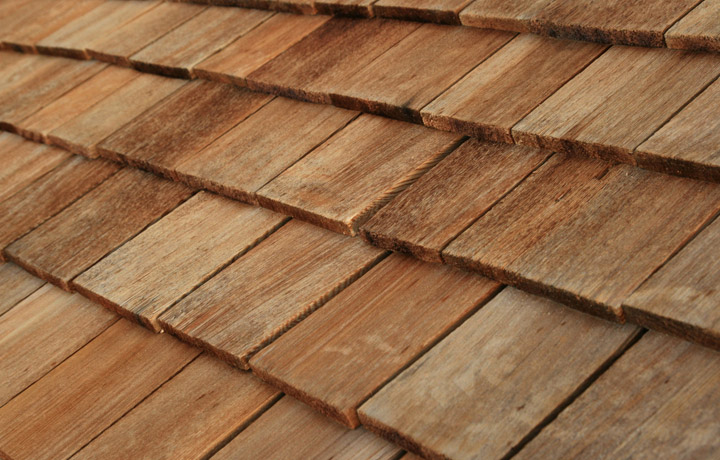
Some minor curling is normal as cedar ages. However, widespread curling, cupping, or warping across large sections of the roof can indicate that the shingles or shakes are nearing the end of their useful life. Excessive distortion can allow water to penetrate beneath the roofing material, increasing the risk of leaks.
Cracked or Split Shakes
Individual cracked shakes can often be repaired. When cracking and splitting become widespread throughout the roof, replacement is typically the better option. Large numbers of damaged shakes reduce the roof’s ability to shed water effectively.
Persistent Leaks
Recurring roof leaks are one of the most obvious signs that a cedar roof may need replacement. While isolated leaks can sometimes be repaired, ongoing water intrusion often indicates broader roofing system deterioration.
Rot and Soft Spots
Cedar is naturally resistant to decay, but prolonged moisture exposure can eventually cause rot. Soft, spongy, or deteriorated sections of roofing material should be evaluated immediately. Widespread rot is usually a strong indication that replacement is necessary.
Moss, Algae, and Debris
Organic debris, moss, and algae can trap moisture against cedar roofing materials. Over time, this excess moisture can accelerate deterioration and shorten the roof’s lifespan. Roofs that have experienced years of neglected maintenance often require replacement sooner than expected.
Aging Roof System
Even if a cedar roof appears relatively intact, age alone can be a reason to consider replacement. As roofing materials approach the end of their expected lifespan, proactive replacement can help avoid unexpected failures and costly emergency repairs.
The Cedar Roof Replacement Process
Replacing a cedar roof involves more than simply installing new shakes or shingles. A comprehensive replacement ensures the entire roofing system is prepared to provide long-term protection.
1. Roof Inspection and Assessment
The process begins with a thorough inspection of the existing roof. Contractors evaluate the condition of the cedar materials, roof decking, flashing, ventilation, and any underlying structural components.
2. Removal of Existing Roofing
Old cedar shakes or shingles are carefully removed to expose the roof deck. This allows contractors to inspect for hidden moisture damage or deterioration.
3. Deck Repairs
If damaged decking is discovered during the tear-off process, repairs or replacements are completed before the new roof is installed.
4. Installation of Underlayment and Flashing
Modern underlayment systems provide an additional layer of moisture protection beneath the cedar roofing material. New flashing is installed around roof penetrations, valleys, chimneys, and other vulnerable areas.
5. New Cedar Roof Installation
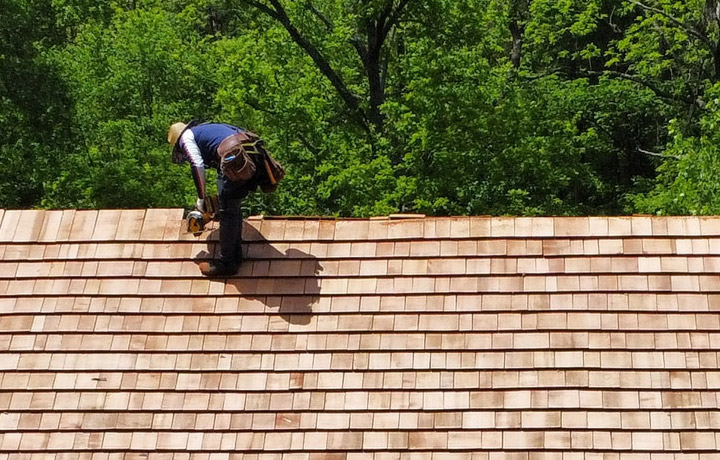
Premium cedar shakes or shingles are installed according to manufacturer specifications and industry best practices. Proper spacing, fastening, and ventilation are essential for maximizing roof performance and longevity. Installation quality is one of the most important factors affecting the lifespan of a cedar roof.
Frequently Asked Questions About Cedar Roof Replacement

Maintaining Your New Cedar Roof
Once your new cedar roof is installed, routine maintenance can help maximize its lifespan.
Recommended maintenance practices include:
- Annual roof inspections
- Regular gutter cleaning
- Removing leaves and debris from roof surfaces
- Trimming overhanging tree branches
- Addressing moss and algae growth promptly
- Ensuring attic ventilation remains unobstructed
Industry guidance emphasizes that proper maintenance, ventilation, and moisture control play a critical role in extending the service life of cedar roofing systems.
Contact East Coast Roofing Systems for a Cedar Roof Replacement Quote
If your cedar roof is showing signs of age, damage, or deterioration, don’t wait for minor issues to become major problems. A professionally installed cedar roof replacement can restore your home’s protection, enhance curb appeal, and provide decades of reliable performance.
The experienced team at East Coast Roofing Systems can evaluate the condition of your existing cedar roof, explain your options, and provide a detailed estimate for replacement. Whether your roof has reached the end of its lifespan or has suffered storm-related damage, their roofing professionals are ready to help. Contact us today to schedule an inspection and request a quote for your cedar roof replacement project.
Our Home Services Process
Getting started with East Coast Roofing Systems is easy. Schedule a free consultation with our skilled technicians today to learn more. We’re committed to quality and professionalism for every home improvement project we take on.
Contact

Reach out to arrange a free consultation with one of our skilled technicians.
Meeting
Our technician will conduct an inspection, discuss your options, and answer any questions.
Timing
We’ll coordinate with you to schedule a convenient time for your project to begin.
Install
On installation day, a project manager will be onsite to ensure everything goes smoothly.
After
We’ll follow up after your project to ensure you’re fully satisfied with the results.