Why Some Roof Leaks Only Happen During Heavy Rainstorms
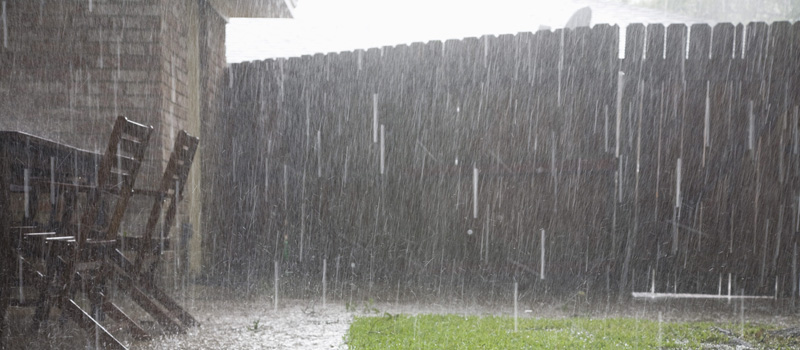
If you’ve ever noticed water dripping from your ceiling only during a major storm, you’re not alone. At East Coast Roofing Systems, we’ve found that some of the most challenging leaks to diagnose are the ones that only appear during prolonged or heavy rain. During roof inspections, it’s common to discover small issues, such as lifted shingles, deteriorated flashing, or compromised roof penetrations, that remain watertight during light showers but allow water to enter when the roof is subjected to sustained rainfall or wind-driven rain. These hidden vulnerabilities often go unnoticed until a severe storm exposes them.
Here’s why some roof leaks only happen during heavy rainstorms and why it’s important to have your roof inspected by our team at East Coast Roofing Systems before larger problems occur.
What Causes Intermittent Roof Leaks?
Heavy Rain Can Overwhelm Small Roofing Defects
Your roof is designed to shed water efficiently, but even small weaknesses can become vulnerable when rainfall is intense. During a light shower, water may flow normally across shingles and into your gutter system. During a heavy downpour, however, significantly more water is moving across your roof at once. Tiny gaps around flashing, damaged shingles, or aging roofing materials that normally stay dry may suddenly allow water to penetrate beneath the roofing system.
These leaks often seem random because they only appear when enough water accumulates to force its way through the compromised area.
Wind-Driven Rain Changes The Direction of Water
Heavy storms rarely bring rain straight down. Strong winds can push water upward or sideways beneath shingles, flashing, vents, and roof penetrations.
Unlike normal rainfall, wind-driven rain reaches places your roofing system doesn’t encounter during typical weather conditions. This means a roof that performs perfectly during calm rainstorms may begin leaking when heavy winds accompany severe weather.
Common areas affected include:
- Chimneys
- Skylights
- Plumbing vent boots
- Roof valleys
- Step flashing
- Wall-to-roof intersections
These components rely on properly installed flashing to keep water out, and even minor deterioration can allow leaks during severe storms.
Roof Valleys Handle Large Volumes of Water
Roof valleys naturally collect water from two roof slopes, making them one of the busiest drainage areas on your home.
When heavy rain falls, thousands of gallons of water can travel through these valleys over the course of a storm. If flashing has shifted, shingles have deteriorated, or debris is slowing water flow, moisture can back up beneath the roofing materials. Leaks caused by valley failures often don’t appear until rainfall reaches a certain intensity.
Clogged Gutters Can Force Water Backward
Your gutters play a much bigger role in roof protection than many homeowners realize. When gutters become clogged with leaves, pine needles, or debris, heavy rainfall cannot drain efficiently. Instead, water backs up onto the roof where it may seep beneath shingles or overflow behind the gutters.
Because this usually happens only when gutters are overwhelmed, leaks often occur exclusively during major rainstorms. Routine gutter cleaning helps prevent unnecessary water intrusion while extending the lifespan of your roofing system.
Small Attic Leaks Can Travel Before They Appear
One reason intermittent leaks are so difficult to locate is that the source often isn’t directly above the water stain. Once moisture enters your attic, it can travel along rafters, roof decking, insulation, or framing before finally dripping into your living space. By the time you notice water on your ceiling, the actual roof opening may be several feet away.
Professional roof inspections use experience and specialized techniques to trace leaks back to their true point of entry.
Hidden Roof Damage Can Worsen Over Time
Even if a leak only appears once or twice each year, water intrusion should never be ignored.
Moisture that repeatedly enters your home can lead to:
- Mold and mildew growth
- Damaged insulation
- Wood rot
- Ceiling stains
- Drywall deterioration
- Structural damage
- Higher repair costs
Addressing small roofing issues early is almost always less expensive than repairing widespread water damage later.
Trust East Coast Roofing Systems To Find The Source
Roof leaks that only occur during heavy rain are often signs of hidden roofing issues that require professional attention. Waiting until the next storm to see if the leak returns only increases the risk of additional damage.
At East Coast Roofing Systems, our experienced roofing contractors perform thorough drone roof inspections to identify the true cause of intermittent leaks. Whether the problem involves damaged shingles, deteriorated flashing, clogged drainage, or storm-related wear, we’ll recommend the right solution to restore your roof’s ability to protect your home in any weather. If you’re wondering why some roof leaks only happen during heavy rainstorms, contact East Coast Roofing Systems today for a professional inspection before a small issue becomes a costly repair.