What Happens During A Professional Roof Inspection and What They Look For
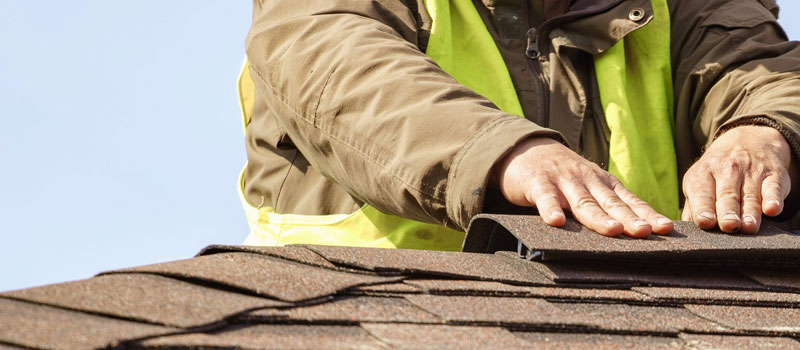
Roof problems aren’t always obvious until significant damage has already occurred. While a roof may appear to be in good condition from the ground, hidden issues can develop over time without noticeable warning signs. At East Coast Roofing Systems, we’ve found that many of the roofs requiring major repairs showed only subtle signs of damage during earlier inspections. In our experience, issues like loose flashing, small shingle failures, or minor areas of moisture intrusion are often easy to address when caught early, but can quickly develop into leaks and structural damage if left unnoticed.
A professional roof inspection provides a detailed assessment of your roofing system, helping identify existing concerns and potential vulnerabilities before they lead to costly repairs. Whether your roof is aging, has recently endured severe weather, or you’re simply staying proactive with home maintenance, a professional inspection offers valuable insight into its overall condition and performance.
Why Roof Inspections Are Important
Inspecting your roof after major storms can help identify minor issues before they become costly repairs. Small problems such as loose shingles, damaged flashing, or clogged drainage systems can quickly escalate into water intrusion, structural damage, mold growth, and expensive roof replacements if left unaddressed.
Professional inspections are especially important after severe weather events, before buying or selling a home, and as part of routine preventative maintenance. East Coast Roofing Systems recommends having your roof inspected at least once every year and after major storms.
The Exterior Roof Evaluation
A professional roof inspection typically begins with a thorough examination of the roof’s exterior. Roofing professionals carefully assess the overall condition of the roofing materials and look for signs of wear, damage, and deterioration. Inspectors also evaluate the roof’s overall appearance and identify any areas that may be vulnerable to future problems. Some of the key areas inspected include:
- Missing, cracked, curling, or damaged shingles
- Granule loss on asphalt shingles
- Signs of wind, hail, or storm damage
- Uneven or sagging roof sections
- Moss, algae, or vegetation growth
- Exposed nail heads
- Improper previous repairs
- Aging roofing materials
Checking Flashing and Potential Roof Penetrations
Flashing is one of the most critical components of a roofing system because it prevents water from entering vulnerable areas where the roof meets other structures. Damaged, loose, rusted, or improperly installed flashing is a common source of roof leaks. Inspectors pay close attention to these areas because even a small flashing failure can allow significant water intrusion over time. During the inspection, our professionals carefully examine flashing around:
- Chimneys
- Skylights
- Roof vents
- Plumbing stacks
- Dormers
- Valleys
- Roof-to-wall transitions
Evaluating Gutters and Drainage Systems
Proper drainage is essential for protecting both the roof and the home’s foundation. A roof inspection typically includes an assessment of the gutter system and water drainage components. Poor drainage can cause water to back up beneath roofing materials, contribute to wood rot, and increase the risk of leaks and ice dams. Our inspectors look for:
- Clogged gutters
- Damaged gutter sections
- Improper gutter pitch
- Loose fasteners
- Overflow evidence
- Downspout blockages
Inspecting The Roof Structure
A professional roof inspection goes beyond the visible roofing materials. Roofing experts also assess the structural integrity of the roof itself. If moisture is penetrating the shingle or outer layer and settling into the underlayment, these issues can indicate deeper problems that may require more extensive repairs if not addressed promptly. We will look for signs of:
- Roof sagging
- Decking deterioration
- Structural movement
- Excessive moisture exposure
- Uneven roof lines
Attic and Interior Inspection
Many roofing problems reveal themselves inside the home before they become obvious on the roof’s surface. That’s why professional roof inspections often include an attic evaluation. Proper attic ventilation is particularly important because inadequate airflow can shorten roof lifespan, increase energy costs, and contribute to moisture-related damage. Inside the attic, inspectors check for:
- Water stains
- Active leaks
- Mold or mildew growth
- Wood rot
- Wet insulation
- Poor ventilation
- Condensation issues
- Sunlight penetrating through the roof deck
Looking For Storm Damage
Storm-related damage is one of the most common reasons homeowners schedule a roof inspection. Wind, hail, heavy rain, and falling debris can all compromise roofing materials. Documenting storm damage early can be especially important when filing an insurance claim. Our inspectors knows how to identify subtle storm damage that homeowners may overlook, including:
- Lifted or creased shingles
- Hail impact marks
- Missing seal strips
- Damaged flashing
- Punctures from debris
- Hidden moisture infiltration
Identifying Potential Future Problems
One of the greatest benefits of a professional roof inspection is the ability to identify issues before they become major concerns. Our experienced roofing contractors evaluate the remaining lifespan of roofing materials and recommend preventative maintenance that can extend roof performance.
By catching minor issues early, homeowners can often avoid larger repairs and maximize the return on their roofing investment.
Schedule A Professional Roof Inspection With East Coast Roofing Systems
At East Coast Roofing Systems, our roof inspections often uncover issues that homeowners never knew existed. Our experienced team performs thorough evaluations of every component of your roofing system and provides honest recommendations based on the roof’s actual condition. We can even use drones to help you see what we see. Whether you’re concerned about recent storm damage, preparing to buy or sell a home, or simply want to protect your investment, East Coast Roofing Systems can help. Contact us today to schedule a professional roof inspection and gain confidence that your roof is ready to protect your home for years to come.