What Homeowners Should Know About Roof Decking and Structural Repairs
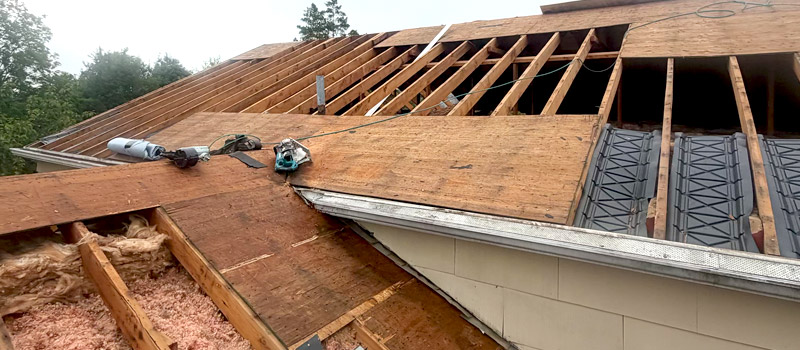
When homeowners think about their roof, they typically picture the shingles, flashing, and gutters. However, an important part of your roofing system is hidden beneath the visible roofing materials. This is the roof decking. This layer provides the foundation for the shingles and helps create a stable, protective surface over your home.
When roof decking becomes damaged or weakened, simply replacing the shingles may not address the underlying problem. At East Coast Roofing Systems, we know that identifying issues beneath the visible roofing system is an important part of determining the right repair or replacement approach. Our pros are here to go over everything homeowners should know about roof decking and structural repairs.
What Is Roof Decking?
Roof decking, sometimes called roof sheathing, is the material installed over the structural framing of a roof. It provides the surface that roofing materials are attached to and helps distribute the weight of the roof across the underlying structure.
Many homes use plywood or oriented strand board (OSB) for roof decking. While these materials are designed to withstand normal conditions, prolonged exposure to moisture or other forms of damage can cause them to deteriorate. Because the decking is underneath the shingles, problems may not always be immediately visible from the ground.
What Can Damage Roof Decking?
Water is one of the most common causes of roof decking damage. A leak that continues over time can allow moisture to reach the decking and cause it to become soft, swollen, stained, or weakened.
Other potential causes of decking damage include:
- Long-term roof leaks
- Damaged or missing shingles
- Poorly sealed flashing
- Ice or severe weather damage
- Excess moisture and inadequate ventilation
- Age-related deterioration
In some cases, the damage may be limited to a small section of decking. In other situations, long-term moisture exposure can affect larger areas and require more extensive repairs.
How Do You Know If Roof Decking Is Damaged?
Some signs of damaged decking can be difficult to identify without getting onto the roof, but homeowners may notice warning signs inside or outside the home.
Water stains on ceilings or walls can indicate an active or previous roof leak. Sagging areas on the roof may also suggest that the decking or underlying structure has been compromised. During a roofing inspection, professionals can look for soft or deteriorated areas that may not be obvious from the ground.
At East Coast Roofing Systems, we understand that the visible roofing problem is not always the entire problem. When damaged decking is discovered during a roof repair or replacement, addressing it before installing new roofing materials helps ensure the new roof has a solid surface beneath it.
When Are Structural Roof Repairs Necessary?
Not every damaged roof requires structural repairs. Structural work may be necessary when the damage extends beyond the decking and affects components such as rafters, trusses, or other parts of the roof framing.
This type of damage can be more serious because the structural components support the roof itself. Signs such as significant sagging, extensive water damage, or areas of the roof that have become noticeably unstable should be evaluated by a qualified professional. Addressing structural problems early may help prevent the damage from becoming more extensive and potentially more expensive to repair.
Frequently Asked Questions About Roof Decking
Can you replace shingles without replacing damaged decking?
Not always. If the decking underneath the shingles is severely damaged or no longer provides a suitable surface, the affected sections may need to be replaced before new roofing materials are installed.
How long does roof decking last?
Roof decking does not have one specific lifespan. Its longevity depends on factors such as the material, moisture exposure, ventilation, and the condition of the overall roofing system. Properly maintained decking can last for many years, but leaks can shorten its useful life.
Is damaged roof decking an emergency?
It depends on the extent of the damage. A small area of deterioration may be addressed during routine roofing work, while significant sagging or extensive water damage may require more immediate attention. If you notice signs of structural problems, it is best to have the roof evaluated promptly.
Contact The Experts At East Coast Roofing Systems Today
Roof decking plays an important role in supporting your roofing system, even though it is hidden beneath the shingles. When moisture or other damage compromises the decking, replacing the visible roofing materials alone may not be enough.
If you have noticed leaks, sagging, damaged shingles, or other signs that your roof may have underlying problems, reach out to East Coast Roofing Systems for a professional evaluation. Our team can assess the condition of your roofing system, identify areas that need attention, and help explain everything you should know about roof decking and structural repairs.