Why Dark Streaks and Roof Algae Growth Shouldn’t Be Ignored
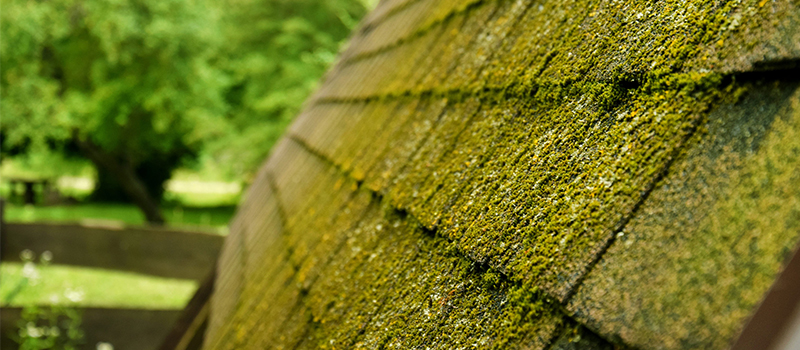
Dark streaks running down your shingles can make an otherwise well-maintained roof look old and neglected. While homeowners often assume these marks are simply dirt or normal weathering, they can actually be caused by algae growth. Ignoring the problem may allow it to spread across the roof and contribute to premature shingle deterioration.
At East Coast Roofing Systems, we know that dark streaks are one of the most common roof concerns homeowners notice as a roof ages. Our experts are here to explain why dark streaks and roof algae growth shouldn’t be ignored.
What Causes Dark Streaks on a Roof?
Dark streaks are often caused by algae that thrive in warm, damp conditions. The organisms can spread across asphalt shingles, particularly on roof sections that receive limited direct sunlight. Moisture from rain, humidity, and nearby trees can create conditions that allow algae to grow. Algae can also spread from one area of the roof to another. Once growth becomes established, those dark streaks may become more widespread and difficult to remove.
Although algae growth does not automatically mean your roof is failing, it should not be dismissed. It can be an indication that your shingles are retaining moisture and are exposed to conditions that may contribute to premature aging.
Can Roof Algae Damage Shingles?
One of the biggest concerns with roof algae is what prolonged growth can mean for the condition of your shingles. Algae itself is not always immediately destructive, but the moisture and environmental conditions associated with persistent growth can contribute to deterioration over time.
As shingles age, they can become more vulnerable to cracking, granule loss, and other forms of wear. Once the protective surface of the shingles begins to deteriorate, the roof may provide less protection against rain and other weather conditions. For that reason, homeowners should look beyond the appearance of dark streaks and consider the overall condition of the roof.
Why Should You Address Algae Growth Early?
Taking care of roof algae early can help you stay ahead of more significant roofing problems. A professional inspection can determine whether the streaking is primarily a cosmetic concern or whether there are signs of broader shingle deterioration.
It is also important to avoid aggressive DIY cleaning methods. Scrubbing shingles or using a pressure washer can remove protective granules and cause additional damage. A roofing professional can recommend an appropriate approach based on the type and condition of your roofing materials. If dark streaks are accompanied by curling shingles, missing granules, cracked shingles, or areas where the roof appears worn, a roofing inspection from the pros at East Coast Roofing Systems becomes even more important.
How to Prevent Roof Algae
While algae cannot always be prevented, homeowners can take steps to make their roofs less susceptible to growth. Keeping gutters clean can help manage moisture around the roof, while trimming branches can improve sunlight and airflow.
When it is time for a roof replacement, some modern roofing products are also designed with algae-resistant features. A roofing professional can help you determine which options make sense for your home and local conditions.
Frequently Asked Questions About Roof Algae
Is roof algae a sign that I need a new roof?
Not necessarily. Algae growth does not automatically mean your roof needs to be replaced. A professional inspection can determine whether the shingles are still in good condition or whether the roof has other signs of aging and deterioration.
Can I remove dark streaks from my roof myself?
It is best to avoid aggressive DIY cleaning methods, such as pressure washing or scrubbing the shingles. These methods can damage the shingles and remove protective granules. A roofing professional can recommend a safer approach based on your roof’s condition.
Will roof algae keep coming back?
Algae can return, particularly when a roof remains exposed to moisture, shade, and limited airflow. Proper roof maintenance and selecting algae-resistant shingles during a future replacement can help reduce the likelihood of recurring growth.
When should I have my roof inspected?
If dark streaks are spreading, algae growth is becoming more noticeable, or you see other signs of wear such as curling, cracked, or missing shingles, it is a good idea to have the roof inspected. Identifying potential problems early can help you determine the right course of action before more significant damage develops.
Contact East Coast Roofing Systems About Your Roof
Dark streaks may seem like a minor cosmetic problem, but they can be an early warning sign that your roof is dealing with persistent moisture and environmental exposure. The sooner you understand why dark streaks and roof algae shouldn’t be ignored, the easier it can be to determine whether cleaning, maintenance, repairs, or eventual replacement is appropriate.
If you have noticed dark streaks, algae growth, or other signs of roof wear, reach out to East Coast Roofing Systems for a professional evaluation. Our team can assess your roof’s condition and help you understand the best next step for protecting your home.