What Exactly Is Cedar Roofing, And Is It Right For Your Property?
The short answer
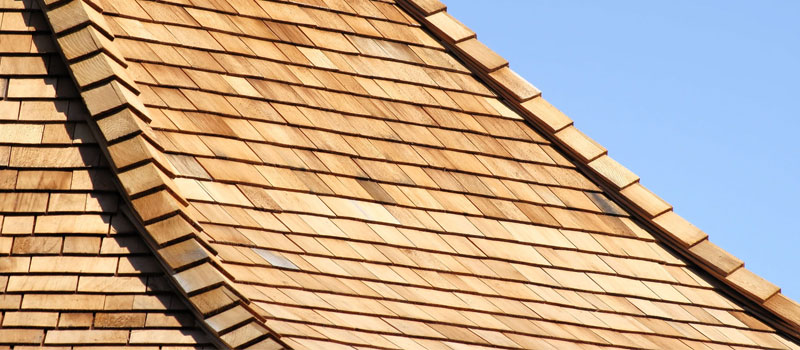
Cedar roofing is a natural wood roof made from western red cedar or Alaskan yellow cedar, installed as either thick, split-faced shakes or thinner, sawn shingles. In Southeastern Pennsylvania and Maryland, a well-maintained cedar roof lasts about 30 to 40 years. Cedar is a strong fit if you want authentic wood, your roof has enough slope and sun, and you will keep up with cleaning and inspections. If low upkeep matters more, synthetic cedar or designer asphalt shingles give a similar look.
Cedar is one of the few roofing materials people fall in love with. The warm honey color of a new roof, the soft silver-gray it turns over time, and the deep shadow lines of hand-split shakes give a house a character that is hard to copy. It is also the roofing material homeowners ask us the most questions about, because cedar works very differently from asphalt.
This guide explains what cedar roofing actually is, the difference between shakes and shingles, which grades and treatments to ask for, how a cedar roof should be built, what it costs and what it asks of you in upkeep. The quick fit check further down will help you see whether real cedar suits your roof or whether a cedar-look alternative makes more sense.
What Is Cedar Roofing?
Cedar roofing is made from wood cut into tapered pieces that overlap in courses, so every spot on the roof is covered by more than one layer. Most cedar roofing in the United States is western red cedar, with some Alaskan yellow cedar, both chosen because their natural oils help the wood resist decay and insects. Quality cedar products are graded and labeled by the Cedar Shake and Shingle Bureau, the industry’s inspection and standards organization.
Unlike asphalt, cedar is a living material. It swells when wet, shrinks as it dries, and changes color as it weathers. A cedar roof that is installed so it can breathe and dry out between rains can last for decades. One that stays damp will not. That single idea explains almost everything about choosing, installing and caring for cedar.
Cedar Shakes Vs. Cedar Shingles: What Is The Difference?
Short answer: Shakes are split on at least one face, so they are thicker, rougher and more rustic. Shingles are sawn on both sides, so they are thinner, smoother and more uniform. The two are also installed differently and need different minimum roof slopes.
| Cedar shakes | Cedar shingles | |
|---|---|---|
| How they are made | Split from the block on at least one face. Handsplit and resawn shakes have a split face and sawn back, while tapersawn shakes are sawn on both sides but cut thicker than shingles. | Sawn on both sides for an even taper |
| Look | Rough, irregular texture with deep shadow lines | Smooth, tailored rows with crisp, even lines |
| Thickness | Thicker at the butt end | Thinner, in 16, 18 and 24 inch lengths |
| Minimum roof slope | 4:12 | 3:12, with reduced exposure on lower slopes |
| Felt between courses | Required. Strips of felt interlayment are woven between each course | Never. Shingles are not interlaid with felt |
| Best suited to | Steeper roofs and rustic, farmhouse or craftsman styles | Colonial, Cape Cod and more formal architecture |
Neither is better across the board. Shakes bring drama and texture, and shingles bring a clean, refined finish. The right choice depends on your home’s architecture, your roof’s pitch and the look you want. For a closer look at the trade-offs of shakes specifically, see our guide to the pros and cons of cedar shake roofing systems.
Cedar Grades: What To Ask For
Not all cedar is equal, and two roofs that both look like cedar on day one can perform very differently by year fifteen. The grade tells you how much of each piece is clear, knot-free heartwood and how the grain runs. Vertical, or edge, grain is more stable and less likely to cup or split than flat grain.
| Grade | What it means | Where it belongs |
|---|---|---|
| Number 1 Blue Label shingles | The premium shingle grade: 100% heartwood, 100% clear and 100% edge grain | Roofs, where long-term performance matters most |
| Premium and Number 1 shakes | The top shake grades, available in handsplit and resawn or tapersawn styles | Roofs |
| Number 2 Red Label | A good grade with some flat grain and limited sapwood allowed | Sidewalls and some secondary applications |
| Number 3 Black Label | A utility grade for economy applications | Outbuildings and secondary structures |
The Cedar Shake and Shingle Bureau recommends Number 1 grade shingles and Premium grade shakes for exposed roofing where long-term performance is the priority. When you compare cedar estimates, ask each contractor which grade and label they are quoting. A low price on a lower grade is not a bargain on a roof.
Treated Vs. Untreated Cedar, Fire Ratings And Insurance
This is the part of cedar homeowners hear about least and should understand most. Untreated cedar is combustible and is generally considered nonclassified for fire. Cedar can also be pressure-treated at the mill, which changes how it performs.
| Option | What it does | Fire rating |
|---|---|---|
| Untreated cedar | Relies on the wood’s natural oils for decay resistance | Generally nonclassified |
| Fire-retardant treated (Certi-Guard) | Pressure-impregnated with fire-retardant polymers for permanent protection, rather than a spray-on coating that wears off | Class B or C on its own, and Class A as part of a tested roof assembly with fire-resistant underlayment |
| Preservative treated (Certi-Last) | Pressure-impregnated with preservatives for added rot resistance, especially useful on lower slopes and in damp or shaded settings | Not a fire treatment |
Some insurers price wood roofs differently or have their own requirements, so call your carrier before you commit to cedar and ask how a treated or untreated wood roof affects your coverage and premium. If you live in a historic district or a community with an HOA, check their rules too, since some require real wood and others restrict it.
How A Cedar Roof Should Be Built
Most early cedar failures we see come down to installation, not the wood. A cedar roof is a system, and each layer is there to help the wood shed water and dry out.
- A sound deck and protection at the eaves. Damaged roof decking is repaired first, and an ice and water barrier along the eaves guards against ice dams.
- Room to breathe. Cedar lasts longest when air can move beneath it, which is why many installers use spaced sheathing or a breathable mat under the wood.
- The right underlayment for the product. Shakes get strips of felt interlayment woven between every course. Shingles never do.
- Proper spacing. Small gaps between neighboring pieces give the wood room to swell when it is wet without buckling.
- Two corrosion-resistant fasteners per piece. Stainless steel or hot-dipped galvanized nails, placed so the course above covers them, keep pieces secure without rust staining or early failure.
- Ventilation and flashing done right. Balanced attic ventilation with a ridge vent, plus properly stepped and counter-flashed chimneys and walls, keeps moisture out of the wood from below and the sides.
How Much Does A Cedar Roof Cost?
Short answer: Recent national cost guides put a cedar shingle roof replacement at roughly $10 to $16 per square foot installed, with Class A fire-rated western red cedar at the top of that range. That is well above architectural asphalt.
Cedar costs more for two reasons. The material itself is a premium product, and installation is slower, more skilled work. Shakes versus shingles, the grade, any fire or preservative treatment, the pitch and complexity of the roof, and whether damaged decking needs replacing all move the final number. Because those details vary so much from house to house, an on-site estimate is the only reliable way to price a cedar roof. If cedar is the right roof but the timing is tight, financing options are available with approved credit.
How Long Does A Cedar Roof Last?
Short answer: A well-maintained cedar roof typically lasts 30 to 40 years in our region. Cedar that stays damp under trees or collects leaves and debris can wear out in its 20s.
With cedar, lifespan is earned. Grade, treatment, installation and upkeep matter more than they do with almost any other material. North-facing slopes and areas under overhanging branches are usually where splitting, cupping, moss and soft spots show up first. To see how cedar compares with asphalt, metal and slate, read our guide to how long a roof lasts.
What Maintenance Does A Cedar Roof Need?
- Keep it clear. Remove leaves, pine needles and debris from the roof and valleys, where they trap moisture against the wood.
- Trim overhanging branches so the roof gets sun and air and dries out after rain.
- Control moss and algae early. Zinc or copper strips near the ridge can help slow growth.
- Clean gently. Use low-pressure methods and roof-safe cleaners. A pressure washer tears the wood fibers and shortens the roof’s life.
- Treat as needed. Periodic cleaning and a preservative treatment help the wood shed water and resist decay.
- Get inspected once or twice a year and after major storms, and replace split, cupped or missing pieces promptly. Individual pieces can be swapped out without redoing the whole roof through cedar roof repair.
How Cedar Holds Up In Southeastern PA And Maryland
Our climate is not dry. Humid summers, wet springs, freeze-and-thaw winters and leafy, tree-lined neighborhoods all work against wood that cannot dry out. Cedar does very well here on sunny, well-ventilated roofs that get regular care, and it struggles on roofs buried under trees and left alone. In this region, cedar is a roof you partner with a local installer to look after, not one you install and forget. We install and service cedar for homeowners across Pennsylvania and Maryland.
Real Cedar Vs. Synthetic Cedar Vs. Designer Asphalt
If you love the look of cedar but not the upkeep, you have options. East Coast Roofing Systems installs real cedar as well as synthetic cedar alternatives, and our asphalt shingle lineup includes dimensional designer shingles with a textured, natural look.
| Real cedar | Synthetic cedar | Designer asphalt shingles | |
|---|---|---|---|
| Look up close | Authentic wood grain that weathers to silver-gray | Molded to mimic shakes, with consistent color | Dimensional texture that reads as natural from the street |
| Upkeep | Highest. Cleaning, treatment and regular inspections | Low | Low |
| Fire rating | Nonclassified untreated. Class B or Class A in an assembly when fire-retardant treated | Many products carry a Class A rating | Typically Class A |
| Relative cost | High | High | Moderate |
| Best for | Homeowners who want authentic wood and will maintain it | The cedar look with less maintenance | A textured, upscale look on a tighter budget |
Is Cedar Roofing Right For Your Property?
Answer four quick questions to see whether real cedar suits your roof or a cedar-look alternative makes more sense.
Cedar fit check
Four quick questions for an honest read on whether real cedar suits your roof.
A quick guide, not a substitute for an on-site look at your roof’s pitch, decking, ventilation and surroundings. Steep roofs are roughly 6:12 and up, moderate roofs 4:12 to 6:12 and low-slope roofs 3:12 to 4:12.
Cedar is a great roof for the right home and the right owner, and it is fine if that is not you. During every estimate, our team brings real material samples so you can see and handle cedar shakes, cedar shingles and cedar-look alternatives side by side before you decide. If you are also weighing resale, see our take on whether cedar roofs add home value.
Repair, Restore Or Replace An Existing Cedar Roof?
If you already have cedar, the question is usually how much life is left. Because cedar is installed piece by piece, isolated splits, missing pieces and worn ridge caps can often be repaired, and a professional cleaning and treatment can extend the life of a roof that is still structurally sound. When splitting, cupping and soft spots are widespread, or the wood has worn thin across large areas, replacement is the better investment.
A drone roof inspection is a good starting point. It captures close-up images of every slope without anyone walking on brittle wood, which can crack aging shakes.
Frequently Asked Questions
What is cedar roofing?
Cedar roofing is a natural wood roof made from western red cedar or Alaskan yellow cedar, installed as either thick, split-faced shakes or thinner, sawn shingles. It is valued for its look, its natural resistance to decay and insects, and a lifespan of about 30 to 40 years in our region when it is maintained.
What is the difference between cedar shakes and cedar shingles?
Shakes are split on at least one face, so they are thicker and rougher, with deep shadow lines. Shingles are sawn on both sides, so they are thinner, smoother and more uniform. Shakes need felt interlayment between courses and a roof slope of at least 4:12, while shingles can be installed on slopes as low as 3:12 and are never interlaid with felt.
What grade of cedar should I use on a roof?
For roofing, ask for Number 1 Blue Label shingles or Premium or Number 1 grade shakes certified by the Cedar Shake and Shingle Bureau. Lower grades such as Number 2 Red Label and Number 3 Black Label allow more flat grain, sapwood or knots and are better suited to sidewalls, outbuildings and economy projects.
Is a cedar roof a fire hazard?
Untreated cedar is combustible and is generally considered nonclassified for fire. Pressure-impregnated, fire-retardant treated cedar, sold under labels like Certi-Guard, can earn a Class B or C rating on its own and a Class A rating as part of a tested roof assembly. Check local code and your insurance carrier before choosing cedar.
How much does a cedar roof cost?
Recent national cost guides put a cedar shingle roof replacement at roughly $10 to $16 per square foot installed, with Class A fire-rated western red cedar at the top of that range. The final price depends on shakes versus shingles, grade, treatment, roof pitch and complexity, and decking repairs, so an on-site estimate is the only way to get a reliable number.
How long does a cedar roof last?
In Southeastern Pennsylvania and Maryland, a well-maintained cedar roof typically lasts 30 to 40 years. Cedar that stays damp under trees or collects debris can wear out in its 20s. Correct installation, good ventilation and regular cleaning make the biggest difference.
Should I pressure wash my cedar roof?
No. High-pressure washing tears the soft wood fibers and shortens the life of the roof. Cedar should be cleaned with low-pressure methods and roof-safe cleaners, then treated if needed, ideally by a contractor who works on wood roofs.
Is synthetic cedar better than real cedar?
It depends on your priorities. Real cedar offers natural texture and color that changes as it weathers. Synthetic cedar shakes mimic that look with less upkeep and, on many products, a Class A fire rating. If you want authentic wood, real cedar is the choice. If low maintenance matters most, synthetic cedar or designer asphalt shingles are worth comparing.
Related Guides From East Coast Roofing Systems
Talk To East Coast Roofing Systems About Cedar
Cedar is a craftsman’s roof, and experienced cedar installers are getting harder to find. Whether you are considering a new cedar roof, caring for the one you have, or deciding between cedar and a cedar-look alternative, our team will give you a straight answer. Every customer gets an in-person education session with real material samples, and because we do not use commissioned salespeople, nobody is pushing you toward the most expensive option. If a different material will serve your home better, we will tell you.
- Rated 5/5 starsFrom more than 300 reviews by homeowners and businesses
- Education before estimatesReal material samples and no commissioned salespeople
- Cedar installation and repairPlus synthetic cedar and designer asphalt alternatives
- Licensed in PA and MDPA License PA172263 and MHIC #162016
- Local officesCollegeville and Emmaus, PA, and Catonsville, MD
Call us at (267) 871-9897 or schedule your free estimate online, and learn more about our cedar roofing services.