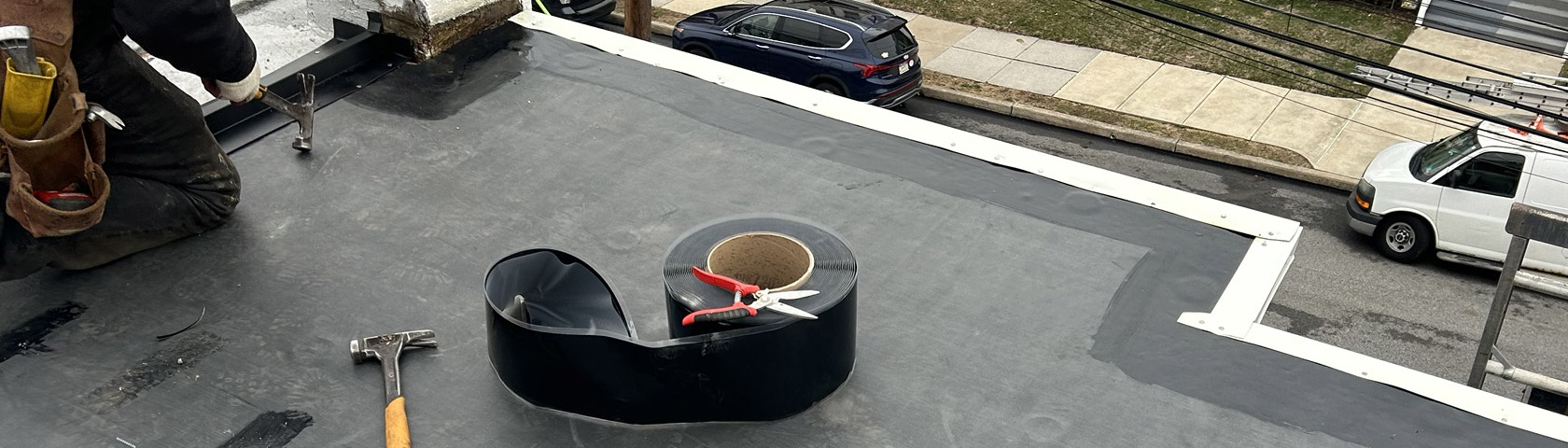
EPDM Roof Replacement
Schedule Your Free Estimate
EPDM Roof Replacement
EPDM roofing is a popular choice for flat and low-slope roofs because of its durability, flexibility, and ability to withstand changing weather conditions. Commonly used on commercial buildings, residential additions, garages, and other structures with low-slope rooflines, EPDM provides dependable protection against moisture when properly installed and maintained. However, like any roofing material, EPDM has a limited lifespan. Over time, exposure to sunlight, temperature fluctuations, standing water, and general wear can cause the roofing membrane to deteriorate.
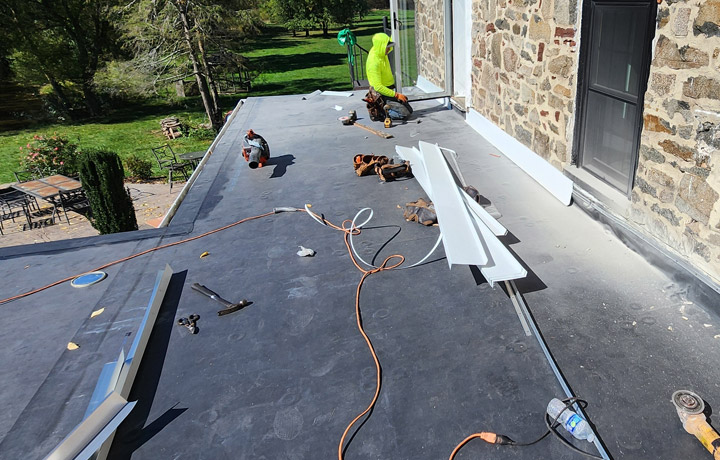
When Is EPDM Roof Replacement Necessary?
When repairs are no longer enough to maintain your roof’s performance, an EPDM roof replacement may be the most practical long-term solution. Replacing an aging or damaged EPDM roofing system helps restore your property’s protection, reduce the risk of leaks, and provide greater peace of mind.
Understanding when to replace an EPDM roof, how the replacement process works, and what to consider when selecting a roofing contractor can help you make an informed decision about your property.
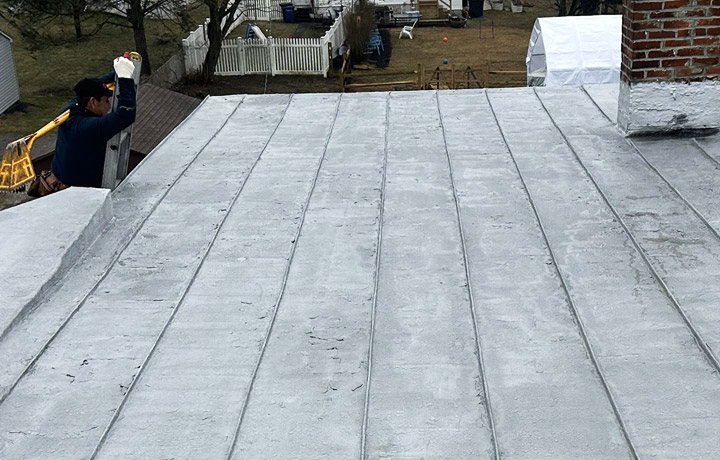
How Do You Know When Your EPDM Roof Needs Replacement?
Not every EPDM roofing problem requires a complete replacement. Some issues, such as isolated punctures, loose seams, or localized flashing damage, can often be corrected with professional repairs. However, widespread deterioration or recurring problems may indicate that the roofing system has reached the end of its useful life.
Here are several warning signs that it may be time to consider EPDM roof replacement.
1. Frequent or Recurring Roof Leaks
One of the most noticeable signs of EPDM roof failure is water infiltration. If you repeatedly experience leaks despite having repairs performed, the membrane or other components of the roofing system may be deteriorating.
Water can enter through damaged seams, punctures, deteriorated flashing, or areas where the membrane has separated from the underlying surface. Over time, moisture can damage insulation, roof decking, interior ceilings, and walls.
If leaks continue to appear in different locations, patching individual problem areas may no longer be a cost-effective solution. A professional roof inspection can help determine whether the underlying roofing system needs replacement.
2. Cracks, Punctures, or Membrane Deterioration
EPDM is designed to remain flexible, but years of exposure to the elements can eventually affect its condition. Older membranes may develop cracks, splits, punctures, or areas of deterioration that compromise their waterproofing capabilities.
Small punctures can sometimes be repaired using compatible EPDM materials. However, widespread damage or a membrane that has become brittle may indicate that the roof needs to be replaced.
3. Shrinking or Separating Membrane
EPDM membranes can experience dimensional changes over time. Although the material is designed to accommodate temperature fluctuations, prolonged exposure to weather and aging can contribute to membrane shrinkage.
As the membrane pulls back, it can place stress on seams, edges, flashing, and termination points. This may cause areas of the roofing system to separate or pull away from the roof’s perimeter.
Once these connections begin to fail, water can find its way beneath the membrane. Extensive shrinkage or separation is often a sign that replacement should be considered.
4. Standing Water and Drainage Problems
Flat and low-slope roofs are designed with drainage systems that direct water toward drains, gutters, or scuppers. However, drainage problems can cause water to collect on the roof surface.
Although properly installed EPDM roofing can withstand temporary ponding water, persistent standing water can contribute to long-term roofing problems, particularly when combined with aging materials, deteriorated seams, or inadequate drainage.
If water regularly collects in the same areas, a roofing professional should evaluate the roof’s drainage, insulation, and underlying structure. Replacing the membrane may be part of a larger solution to improve overall roof performance.
5. Damaged Seams and Flashing
EPDM roofing systems use seams, adhesives, tapes, and flashing details to create a watertight barrier. These areas are particularly important because they connect separate membrane sections and seal transitions around roof penetrations, walls, drains, and other features.
Over time, adhesives and sealants can deteriorate, while flashing may loosen or separate. If seam failures and flashing problems are widespread, repairs may become increasingly difficult to maintain.
6. Your Roof Is Approaching the End of Its Lifespan
Even if an EPDM roof does not have obvious leaks, its age is an important factor when deciding whether replacement is necessary.
An EPDM roof that is 20 to 30 years old may be nearing the end of its expected service life. Previous repairs, installation quality, membrane thickness, and environmental conditions can all affect its actual lifespan. If your roof is approaching this age range, scheduling an inspection can help you determine whether replacement should be planned before significant water damage occurs.
What Are the Benefits of EPDM Roof Replacement?
Replacing an aging EPDM roofing system offers several advantages beyond simply correcting existing leaks. A professionally installed replacement roof can improve your property’s weather protection and help prevent recurring maintenance issues.
Improved Waterproofing: A new EPDM membrane provides a fresh protective barrier against rain, snow, and moisture. Properly sealed seams, flashing, and roof penetrations help reduce the risk of water infiltration.
Long-Term Durability: EPDM is designed to withstand outdoor exposure and seasonal temperature changes. Its flexibility allows it to accommodate normal expansion and contraction without becoming brittle under typical conditions.
Reduced Repair Needs: An aging roof may require increasingly frequent repairs as different sections begin to deteriorate. Replacing the entire roofing system can eliminate many of these recurring problem areas and reduce ongoing maintenance demands.
Improved Energy Performance: White EPDM membranes are available for property owners interested in reflective roofing options. Depending on the roof design and insulation system, a properly selected reflective membrane may help reduce heat absorption. Black EPDM, meanwhile, absorbs more solar heat and may be suitable for certain building applications.
Opportunity to Upgrade Roof Components: A complete replacement provides an opportunity to evaluate and improve other parts of the roofing assembly, including insulation, drainage, flashing, and edge details. Addressing these components during replacement can help improve the overall performance of the roofing system.
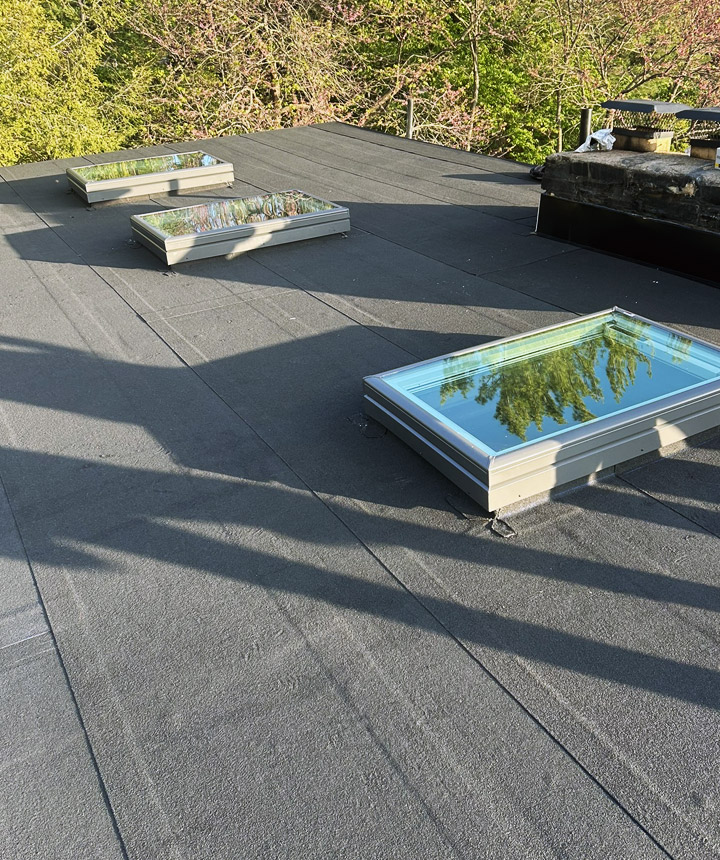
What Is Involved in the EPDM Roof Replacement Process?
An EPDM roof replacement begins with a thorough inspection of the existing roofing system. The professional roofing contractors at East Coast Roofing Systems evaluate the membrane, seams, flashing, drainage, insulation, and roof decking to identify signs of deterioration or damage. Depending on the roof’s condition, the existing EPDM membrane and other worn materials may need to be removed to expose the underlying surface and identify hidden moisture damage, deteriorated insulation, or damaged decking. In some cases, an approved roofing recovery system may be an option. Before installation begins, the roof surface must be properly prepared by addressing any necessary repairs, replacing damaged materials, and ensuring the substrate is clean and dry. Drainage improvements may also be made to help prevent future water accumulation.
Once the roof is prepared, the new EPDM membrane is installed according to the manufacturer’s specifications. Depending on the building and roofing requirements, the membrane may be fully adhered using compatible adhesives, mechanically attached with approved fasteners, or secured using a ballasted system. We then focus on sealing seams and installing flashing around roof penetrations, HVAC equipment, vents, drains, walls, and other transitions to create a watertight roofing system. After installation is complete, a final inspection helps verify that the membrane is properly secured and that all seams, flashing, roof edges, and drainage areas have been addressed. The project concludes with cleanup and the removal of old roofing materials and construction debris.
How Much Does EPDM Roof Replacement Cost?
The cost of EPDM roof replacement depends on several factors, including the size of the roof, the condition of the existing roofing system, material selection, and installation requirements.
Roof size is one of the biggest cost considerations. Larger roofs require more membrane, insulation, adhesives, fasteners, and labor. However, the total project cost also depends on the complexity of the roof.
Other factors that can influence EPDM roof replacement costs include:
- Existing roof condition: Damaged decking, wet insulation, and deteriorated roofing components may need to be replaced before installing the new membrane.
- Membrane thickness: EPDM is available in different thicknesses, commonly including 45-mil, 60-mil, and 90-mil options. Thicker membranes may offer additional puncture resistance, depending on the application.
- Installation method: Fully adhered, mechanically attached, and ballasted systems have different material and labor requirements.
- Roof accessibility: Difficult access, multiple roof levels, and equipment requirements can affect installation costs.
- Flashing and drainage: Roof penetrations, perimeter details, drains, and drainage improvements can add to the overall project scope.
- Insulation requirements: Replacing or upgrading roof insulation can increase initial project costs but may improve the building’s overall thermal performance.
The best way to understand the cost of replacing your EPDM roof is to schedule a professional inspection and request a detailed estimate. East Coast Roofing Systems can evaluate your existing system and recommend an appropriate replacement solution based on your property’s needs.
How Long Does an EPDM Roof Replacement Take?
The time required to replace an EPDM roof depends on the size and complexity of the project, the condition of the existing roofing system, weather conditions, and the installation method. A relatively straightforward replacement on a smaller roof may take a few days, while larger or more complex projects may require additional time.
Unexpected issues, such as wet insulation, damaged decking, or drainage problems, can also affect the schedule. We will discuss the anticipated timeline and any factors that could influence the project’s completion.
EPDM Roof Replacement vs. Roof Repair: Which Is Better?
One of the biggest questions property owners face is whether to repair an existing EPDM roof or invest in a complete replacement. Roof repair may be the better option when the membrane is relatively young and the damage is isolated. For example, a small puncture, localized seam separation, or damaged flashing may be corrected without replacing the entire roof.
However, replacement may make more sense when the roof has widespread deterioration, recurring leaks, extensive seam failures, or significant membrane shrinkage. The age of the roofing system is another important consideration. Spending money on repeated repairs for a roof that is already nearing the end of its lifespan may not provide the best long-term value. A professional inspection can help you compare your options and determine whether targeted repairs or a complete EPDM roof replacement is the most appropriate solution.
Choose East Coast Roofing Systems for EPDM Roof Replacement
An aging or damaged EPDM roof can put your property at risk of leaks, moisture damage, and costly repairs. Whether you are dealing with recurring roofing problems or your existing membrane is approaching the end of its expected lifespan, investing in a professionally installed replacement can help protect your property for years to come.
East Coast Roofing Systems provides professional roofing solutions designed to help property owners maintain and improve the protection of their homes and buildings. Our team can evaluate your existing roof, discuss your replacement options, and help you determine the best approach for your roofing needs.
If you’re considering EPDM roof replacement, contact East Coast Roofing Systems today to schedule an inspection and request a quote. Let our team help you restore your roof’s protection and move forward with confidence.
Our Home Services Process
Getting started with East Coast Roofing Systems is easy. Schedule a free consultation with our skilled technicians today to learn more. We’re committed to quality and professionalism for every home improvement project we take on.
Contact

Reach out to arrange a free consultation with one of our skilled technicians.
Meeting
Our technician will conduct an inspection, discuss your options, and answer any questions.
Timing
We’ll coordinate with you to schedule a convenient time for your project to begin.
Install
On installation day, a project manager will be onsite to ensure everything goes smoothly.
After
We’ll follow up after your project to ensure you’re fully satisfied with the results.