Why Vinyl Siding Starts To Warp, Crack, or Fade Over Time
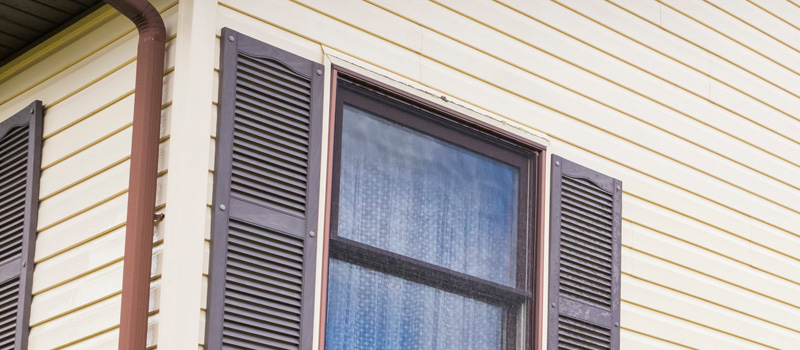
Vinyl siding is one of the most popular exterior cladding materials because it’s affordable, low maintenance, and built to withstand years of exposure to the elements. At East Coast Roofing Systems, we’ve found that siding problems often develop gradually, making them easy for homeowners to overlook until the damage becomes widespread. During exterior inspections, we frequently identify issues such as heat-related warping, impact cracks, loose panels, and moisture intrusion behind the siding that could have been addressed with earlier intervention. Recognizing these warning signs early can help extend the life of your home’s exterior and prevent more extensive repairs.
If you’ve started noticing warped panels, cracks, or fading color, it’s important to understand what’s causing the damage before it leads to bigger problems. Learning all about the warning signs and why vinyl starts to warp, crack, or fade over time can help you decide whether a simple repair is enough or if it’s time to consider replacing your siding. Our siding experts at East Coast Roofing Systems are here to help.
Common Signs Your Vinyl Siding Is Reaching The End Of Its Lifespan
Constant Sun Exposure Causes Fading
One of the most common reasons vinyl siding changes over time is prolonged exposure to ultraviolet (UV) rays. Although modern siding is manufactured with UV-resistant coatings, years of direct sunlight gradually break down these protective layers.
As a result, homeowners may notice:
- Uneven or dull coloring
- Chalky residue on the surface
- Areas that appear lighter than others
- Reduced curb appeal
South- and west-facing sides of the home often experience fading first because they receive the most direct sunlight throughout the day.
Heat Can Cause Vinyl Siding To Warp
Vinyl naturally expands when temperatures rise and contracts as they cool. Manufacturers account for this movement during installation, but excessive heat can still cause problems.
Warping may occur because of:
- Extended periods of extreme summer temperatures
- Heat reflected from nearby windows
- Grills or fire pits placed too close to the house
- Improper installation that restricts expansion
Warped siding doesn’t just affect appearance. It can create gaps that allow moisture to enter behind the panels, increasing the risk of water damage.
Cold Weather Can Lead To Cracks
While heat causes expansion, freezing temperatures make vinyl siding more brittle. If the siding experiences impact during cold weather, such as falling branches, hail, or even a hard strike from lawn equipment, it can crack much more easily than during warmer months.
Small cracks may seem harmless, but they can allow water to penetrate behind the siding, potentially leading to mold, rot, or damage to your home’s sheathing.
Moisture and Weather Take Their Toll
Your siding serves as one of your home’s primary defenses against rain, snow, and humidity. Years of exposure to moisture, strong winds, and seasonal weather eventually wear down even durable materials.
Storm damage, wind-driven debris, and repeated freeze-thaw cycles can loosen panels or create openings where water can collect. If moisture becomes trapped behind the siding, it can accelerate deterioration and contribute to structural issues that aren’t immediately visible. Regular inspections after major storms can help catch these problems before they become costly repairs.
Improper Installation Shortens Siding Life
Not all siding problems are caused by age. Improper installation is a common reason vinyl siding begins to warp or fail prematurely. Mistakes such as nailing the panels too tightly, failing to leave room for thermal expansion, misaligned starter strips, or improper flashing around windows and doors can prevent the siding from expanding and contracting naturally as temperatures change. This added stress can lead to buckling, distortion, and cracking over time. Professional installation helps maximize the lifespan of your siding and reduces the risk of premature failure.
Age Naturally Wears Down Vinyl Siding
Even if your siding has been properly installed and maintained, normal aging eventually affects every exterior material. Years of exposure to sunlight, changing temperatures, and harsh weather gradually reduce vinyl’s flexibility and strength, making it more brittle, easier to crack, less resistant to impacts, and more likely to loosen during high winds. If multiple areas of your home’s siding are showing these signs of wear, replacing a few isolated panels may no longer provide a long-term solution.
When Is It Time To Replace Vinyl Siding?
Minor damage can often be repaired, especially if only one or two panels are affected. However, replacement may be the better investment if you notice widespread fading, multiple cracks, recurring moisture problems, or significant warping throughout the exterior.
New vinyl siding not only restores your home’s appearance but also improves weather protection, energy efficiency, and long-term durability. Modern siding products offer improved color retention and stronger impact resistance than many older materials.
Trust East Coast Roofing Systems For Professional Siding Solutions
If your vinyl siding is beginning to warp, crack, or fade, don’t wait until moisture damage or structural issues develop. Our experienced team at East Coast Roofing Systems can inspect your siding, identify the underlying cause of the damage, and recommend the most cost-effective solution for your home.
Whether you need targeted siding repairs or a complete siding replacement, East Coast Roofing Systems delivers quality workmanship, premium materials, and reliable service that protects your home for years to come. Contact us online today to schedule a professional siding inspection, or if you’re still wondering why vinyl siding starts to warp, crack, or fade over time.