Fiber Cement Vs. Vinyl Siding: Which Is Right For Your Home?
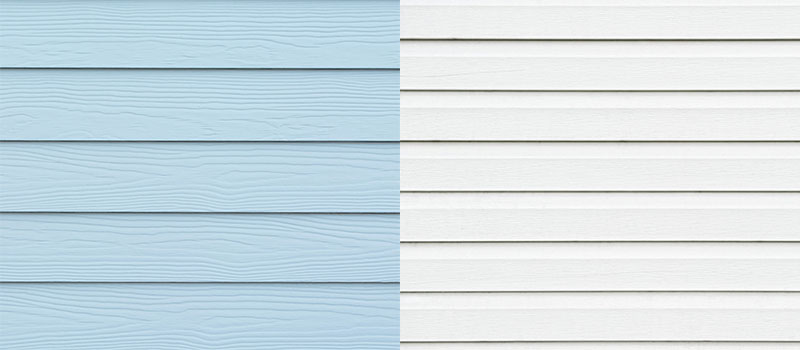
The short answer
For most homeowners who plan to stay put, fiber cement is the stronger long-term choice. It typically lasts 30 to 50 years compared with 20 to 40 for vinyl, it will not melt or burn, and it takes impact better. Nationally, fiber cement also recovered about 114% of its cost in estimated resale value in the 2025 Cost vs. Value Report, compared with about 97% for vinyl. Vinyl costs roughly 20% less upfront, never needs painting and is the smart pick when budget or a shorter timeline drives the decision.
When homeowners call us about new siding, the conversation almost always narrows to these two materials. Both can look great, both protect your home well when they are installed correctly, and both are sold by people who will tell you the other one is a mistake. The truth is less dramatic. Each one wins in different situations, and the right answer depends on your house, your budget and how long you plan to live there.
We install both. Our siding crews put up Mastic and CertainTeed vinyl and James Hardie fiber cement on homes across Southeastern Pennsylvania, the Lehigh Valley and Maryland, so we have no reason to steer you toward one. This guide lays out how they really compare, including the details most comparisons skip: what our freeze-and-thaw winters do to each material, what the warranties actually cover and the installation steps that decide whether either one lasts.
Fiber Cement Vs. Vinyl Siding At A Glance
| Fiber cement | Vinyl | |
|---|---|---|
| Made from | Portland cement, sand and cellulose fibers | PVC, the same family of plastic used in vinyl windows and fencing |
| Typical lifespan | 30 to 50 years | 20 to 40 years |
| Upfront cost | Higher, about 20% more on a typical whole-house job | Lower |
| Painting | Factory-finished boards need far less, but the finish eventually needs refreshing | Never needs painting. Color runs through the material |
| Fire | Noncombustible. Will not ignite or melt | Softens around 160 to 165°F and melts in a fire |
| Impact and hail | Very resistant | Can crack, especially in cold weather |
| Insulation | Little on its own | Insulated vinyl adds foam backing rated R-2.0 or higher when certified |
| Look | Thicker boards with deeper shadow lines and a convincing wood grain | Wide range of styles and colors, with visible overlapping seams |
| Installation | Heavy, slower, needs dust control when cutting | Lightweight and faster to install |
Want to see both on your house? We will bring samples of fiber cement and vinyl to your home, look at your walls and trim, and price the project both ways so you can compare real numbers instead of national averages. No commissioned salespeople, no pressure.
What Is Fiber Cement Siding?
Fiber cement is a blend of cement, sand and cellulose fibers pressed into planks, panels, shingles and trim. It is made to look like painted wood, but it will not rot, it is not food for termites. James Hardie is the best-known brand, and it makes a product line called HZ5 that is engineered for regions with freezing temperatures, snow and ice. Your installer should confirm the right line for your zip code.
Fiber cement comes either primed for painting on site or with a baked-on factory finish. Hardie's factory finish is called ColorPlus, and factory finishes like it hold their color much longer than paint brushed on in the field. Learn more about our fiber cement siding installation.
What Is Vinyl Siding?
Vinyl siding is made from PVC, with the color mixed all the way through each panel. That is why it never needs painting and why a scratch does not show a different color underneath. Panels lock together and hang loosely on their nails so they can expand in summer heat and shrink in the cold.
Today's vinyl is not the thin, shiny siding many people picture from the 1980s. Thicker premium panels, realistic wood-grain textures and fade-resistant colors are standard on better product lines, and insulated vinyl adds a contoured foam backing that stiffens the panel and improves energy performance. We install vinyl from Mastic and CertainTeed. See our vinyl siding services.
How Much More Does Fiber Cement Cost, And Do You Get It Back?
Short answer: On a typical whole-house replacement, fiber cement costs about 20% more than vinyl, and national resale estimates suggest it returns more than it costs.
| National average, 2025 | Fiber cement replacement | Vinyl replacement |
|---|---|---|
| Job cost | $21,485 | $17,950 |
| Estimated resale value added | $24,420 | $17,313 |
| Cost recovered at resale | About 114% | About 97% |
Put those numbers side by side and the gap in upfront cost was about $3,500, while the gap in estimated resale value was about $7,100. That does not mean siding pays for itself. Resale value estimates come from real estate professionals, not from actual sales of your home. But it does show that buyers tend to see fiber cement as an upgrade, while vinyl still recovers most of what it costs.
Fiber cement costs more because the material is heavier and pricier to produce, and because it takes a larger crew, more time and dust-controlled cutting to install. Trim choices, the number of windows and doors, and whether damaged sheathing has to be replaced move the number more than most people expect. The only reliable way to compare is to price the same house both ways, which we are happy to do. If the right siding is a stretch right now, financing options are available with approved credit.
Which Siding Lasts Longer?
- Vinyl siding20–40 yrs
- Fiber cement siding30–50 yrs
Fiber cement has the longer runway, but neither number is automatic. Vinyl at the low end of its range is usually the result of thin panels, sun-baked south and west walls or panels nailed too tight to move. Fiber cement at the low end usually comes down to unsealed cut edges, boards installed too close to the ground or roof, or a finish that was allowed to wear through. The board itself rarely fails first. Our guide to why vinyl siding warps, cracks or fades covers the vinyl side of this in more detail.
How Each One Handles Southeastern PA And Maryland Weather
National comparisons treat weather as an afterthought. Here it is the whole story, because our siding goes through humid summers, cold snaps, wet springs and dozens of freeze-and-thaw days every winter.
- Freeze and thaw. Fiber cement handles it well as long as its finish and cut edges stay sealed. If the paint wears through and water soaks into the board, repeated freezing can damage it, which is why the factory finish and proper edge sealing matter so much here. Vinyl does not absorb water, so freeze-thaw is not a problem for the panel itself.
- Cold-weather impact. Vinyl gets stiffer as temperatures drop, so a hailstone, a snow-blower kickback or a stray hockey puck in January is more likely to crack a panel than the same hit in July. Fiber cement shrugs off most of those impacts year-round.
- Summer sun and heat. Vinyl can begin to soften around 160 to 165°F, and darker colors reach those temperatures sooner. That is rarely a problem from normal sunlight, but it is why grills belong well away from vinyl walls.
- Reflected sunlight from neighboring windows. Energy-efficient low-E windows can bow slightly and focus reflected sunlight onto a nearby wall like a magnifying glass. A paper from a Penn State housing research conference reported that focused reflections can exceed 200°F, hot enough to ripple vinyl, and that most damage happens when the window is within about 30 feet. In tightly spaced neighborhoods and twins, this is a real consideration. Fiber cement is not affected.
- Wind and storms. Both handle high winds when they are fastened correctly. When vinyl panels pull loose in a storm, the cause is usually how they were nailed, not the product itself. Our article on how severe weather affects roof and siding longevity goes deeper.
Maintenance: What Each Siding Asks Of You
Vinyl is about as close to maintenance-free as siding gets. Rinse it once or twice a year with a garden hose and a soft brush, keep shrubs trimmed back and replace any cracked panel before water gets behind it. If you use a pressure washer, keep it on a low setting and spray level or downward, never up under the laps. Our tips for extending the life of vinyl siding cover the rest.
Fiber cement needs a little more attention. Check the caulk around windows, doors and trim every year or two, touch up chips and scrapes so water cannot reach the board, and plan on refreshing the finish eventually. Factory-finished boards hold up far longer than site-painted ones, which typically need repainting every 10 to 15 years. The upside is that when you repaint, you can change the color of your house completely, something vinyl does not allow without compromises.
Fire, Pests And Moisture
Fiber cement is noncombustible. James Hardie's siding is tested as a noncombustible cladding and does not add fuel to a fire, although the paint on its surface can scorch. Vinyl melts and burns when exposed to flame, which matters most on homes close to their neighbors, on twins and rowhomes, and near grills and fire pits.
Neither material is food for termites or carpenter ants. Moisture is where the two behave differently. Vinyl sheds water off its face, but it is designed to let some water behind it, so it depends completely on the house wrap and flashing underneath. Fiber cement can absorb water through unsealed edges, so it depends on proper clearances, edge sealing and an intact finish. Either way, the layers you cannot see do most of the work.
Is Vinyl Or Fiber Cement More Energy Efficient?
Standard vinyl and fiber cement both add very little insulation on their own. Insulated vinyl is the exception. Its foam backing fills the gap behind the panel, and products certified through the Vinyl Siding Institute's insulated siding program must test at R-2.0 or higher. If lower heating and cooling bills are a big part of why you are residing, insulated vinyl gives you that in the siding itself. With either material, the biggest energy gains come from sealing air leaks and adding insulation during the project while the walls are open.
Installation Decides Whether Either Siding Lasts
Many siding problems trace back to installation, not the product. These are the details worth asking any contractor about, whichever material you choose.
- Tear-off and a fresh weather barrier. Removing the old siding lets the crew find and replace soft sheathing and install new house wrap, taped and lapped correctly. Fiber cement needs a flat, solid wall to fasten to, so old siding comes off first.
- Flashing at every opening. Windows, doors, decks and the spots where a roof meets a wall all need proper flashing, including kick-out flashing that steers roof runoff away from the wall instead of behind it.
- Vinyl that can move. Nails go in the center of the slot with about 1/32 inch of space under the head, roughly the thickness of a dime, and panels stop about 1/4 inch short of trim channels. Vinyl nailed tight cannot expand, and that is what causes summer buckling.
- Fiber cement with proper clearances. James Hardie's instructions call for at least 6 inches between the siding and finished grade, 1 to 2 inches above roofs, decks and walkways, and sealed or factory-finished cut edges. Boards run tight to the ground or the roof soak up water and fail early.
- Safe cutting. Cutting fiber cement releases silica dust, so crews should use shears or dust-collecting saws and cut outdoors.
If your current siding is failing early, these are often the reasons. Learn how to tell if your siding was installed incorrectly, and what to ask when hiring a siding contractor.
What The Warranties Actually Cover
| Warranty | What to know |
|---|---|
| James Hardie fiber cement | A 30-year, non-prorated, transferable limited warranty on the siding and trim boards. ColorPlus factory finishes carry a separate 15-year limited warranty against peeling, cracking and chipping. |
| Vinyl siding | Many product lines carry a limited lifetime warranty for the original owner, often with prorated coverage once the home is sold. Damage from reflected window sunlight is commonly excluded. |
| Contractor workmanship | Covers installation errors such as nailing, flashing and clearances. Manufacturer warranties generally do not, and they can be voided by installation that ignores their instructions. |
Which Siding Is Right For Your Home?
As a rule of thumb, fiber cement makes the most sense when you plan to stay more than a few years, want the most durable and fire-resistant exterior, live close to your neighbors or in a historic district, or want the option to repaint later. Vinyl makes the most sense when upfront cost matters most, you may sell within a few years, you never want to think about paint, or you want insulated siding to help with energy bills. Answer a few questions below for a read on your situation.
Siding match-up
Four quick questions to see which material fits your home and plans.
A quick guide, not a substitute for an on-site look at your walls, trim and sheathing. We are happy to price your home both ways so you can compare.
Some homeowners split the difference, using fiber cement on the front of the house where it shows most and vinyl on the sides and back. Done with matching profiles and colors, it can be a smart way to stretch a budget. We can price that option too.
Frequently Asked Questions
Is fiber cement siding better than vinyl?
For durability, fire resistance and resale value, fiber cement comes out ahead. It typically lasts 30 to 50 years compared with 20 to 40 for vinyl, it is noncombustible and it resists impact better. Vinyl wins on upfront cost, installation speed and maintenance, since it never needs painting. The better choice depends on your budget, how long you plan to stay and how much upkeep you want.
Is Hardie board worth the extra cost?
For homeowners staying more than a few years, it often is. In the 2025 Cost vs. Value Report, fiber cement siding replacement averaged $21,485 nationally and recovered about 114% of its cost in estimated resale value, compared with $17,950 and about 97% for vinyl. If you plan to sell soon or need the lowest upfront cost, quality vinyl is usually the better value.
Does vinyl siding lower home value?
No. Vinyl siding replacement recovered about 97% of its cost in estimated resale value in the 2025 Cost vs. Value Report, so new vinyl still adds value compared with worn-out siding. Fiber cement recovered more, but both are a clear improvement over siding that is cracked, faded or failing.
Does fiber cement siding crack in cold weather?
Properly installed fiber cement handles freezing winters well, and James Hardie makes its HZ5 line specifically for cold, snowy climates. Problems usually start when the finish wears through or cut edges are left unsealed, letting water soak into the board and freeze. Keeping the finish and caulking in good shape prevents most cold-weather damage.
Which siding needs less maintenance?
Vinyl. It needs only an occasional rinse and never needs painting. Fiber cement needs periodic caulk checks and touch-ups, and its finish eventually needs refreshing. Factory-finished fiber cement holds its color much longer than boards painted on site, which typically need repainting every 10 to 15 years.
Is insulated vinyl siding worth it?
If energy efficiency is a priority, it can be. Insulated vinyl adds a foam backing behind each panel, and products certified through the Vinyl Siding Institute must test at R-2.0 or higher. The foam also makes the panels stiffer. Standard vinyl and fiber cement add little insulation on their own.
Can you paint vinyl siding?
You can, but it comes with trade-offs. Use a paint formulated for vinyl and a color no darker than the original, because darker colors absorb more heat and can make panels warp. Check your siding warranty first, since painting can affect coverage. Fiber cement is the better choice if you expect to change colors over the years.
Can fiber cement siding be installed over old vinyl?
No. Fiber cement needs a flat, solid wall to fasten to, so the old vinyl comes off first. That tear-off is a benefit, because it lets the crew inspect the sheathing, replace any damaged areas and install a new weather barrier and flashing before the new siding goes up.
Related Guides From East Coast Roofing Systems
Compare Both Options With East Coast Roofing Systems
The easiest way to decide is to see both materials on your own house, with real numbers. Our team will look at your walls, trim and sheathing, bring samples of vinyl and fiber cement so you can see the difference in person, and price the project both ways. Because we install both and do not use commissioned salespeople, nobody is pushing you toward the more expensive option. If repairs will buy your current siding more time, we will tell you that too through our siding repair service.
- Rated 5/5 starsFrom more than 300 reviews by homeowners and businesses
- Both materials, one teamJames Hardie fiber cement plus Mastic and CertainTeed vinyl
- Education before estimatesReal material samples and no commissioned salespeople
- Licensed in PA and MDPA License PA172263 and MHIC #162016
- Local officesCollegeville and Emmaus, PA, and Catonsville, MD
Call us at (267) 871-9897 or request your free estimate online, and learn more about our full range of siding replacement services.